You have followed the recipes, kneaded the dough, preheated the stone, and your homemade pizza is good. But it is not that crust: the tender, puffy, leopard-spotted rim that shatters faintly at the edge and folds soft in the middle. The missing ingredient is usually not technique. It is the flour in the bag.
00 flour is the finely milled Italian flour that pizzerias in Naples build their dough on, and switching to it is the single easiest upgrade you can make to your pizza night. We have baked with it side by side against bread flour and all-purpose, and the difference shows up in the first bite.
Here is what 00 flour actually is (the name is widely misunderstood), why it behaves differently in your dough, how to adjust your recipe for it, and which bag to buy for the oven you own.
Key Takeaways
- 00 refers to how finely the flour is milled, not its protein content. Pizza-grade 00 runs about 11.5 to 13 percent protein, similar to bread flour.
- The powdery grind makes a softer, more extensible dough that stretches thin without tearing and puffs into a tender, blistered crust.
- Use slightly less water than your bread-flour recipe calls for, and give the dough a long rest for the best flavor.
- In a standard home oven, pick a 00 flour blended for lower temperatures; in a pizza oven over 700° F, classic Neapolitan 00 shines.
Table of Contents

What Is 00 Flour?
The Italian Grading System
In Italy, flour is graded by how finely it is milled and how much of the bran and germ is sifted out, on a scale from 2 (coarsest) down to 00 (finest). DeLallo’s 00 flour guide describes tipo 00 as a soft wheat flour milled to a superfine, powder-like texture, the opposite end of the scale from coarse whole grain tipo 2. Tipo 00 is the everyday flour of Italian kitchens, used for fresh pasta, pastries, and above all pizza.
It Is About Grind, Not Protein
The most common myth in pizza making is that 00 means low protein. It does not. As Thursday Night Pizza’s 00 flour deep dive points out, the protein in 00 flour ranges from about 9 to 13 percent depending on the brand and the intended use, and pizza-grade 00 sits at the top of that range, right alongside American bread flour. What actually sets it apart is the grind: rub it between your fingers and it feels like cornstarch next to all-purpose. That powdery texture is what changes your dough. Once you feel it, you will understand why your old crusts were fighting you.
Why 00 Flour Makes Better Pizza

A Softer, More Extensible Dough
Fine milling changes how dough handles. A 00 dough is noticeably softer and stretches further with less spring-back, so you can open a ball into a thin round with your fingertips instead of fighting a rubbery disc that keeps shrinking back. The payoff lands on your plate: a crust with a thin, crisp center, a puffy airy rim, and a tender bite instead of a bready chew. If you have ever torn a hole in your dough trying to stretch it thin, this is the fix, and it costs one bag of flour.
Built for Blazing Heat
Neapolitan pizza bakes in 60 to 90 seconds at 800° F or more, and 00 flour is engineered for exactly that: it puffs fast and chars in delicate spots without drying out. There is an honest catch for home cooks, though. Alive & Kickin’s flour comparison notes that many 00 flours lack the added enzymes that help crusts brown below about 700° F, so in a conventional oven a pure Neapolitan 00 can bake up paler than you expect. That is not a reason to avoid it; it just means matching the bag to your oven, which we cover below. Skip that match and you keep pulling pale, disappointing crusts from an otherwise perfect dough.
00 Flour vs. Bread Flour vs. All-Purpose
| Flour | Grind | Typical Protein | Crust Result |
|---|---|---|---|
| 00 pizza flour | Powder-fine | 11.5 to 13% | Tender, blistered, soft airy rim |
| Bread flour | Standard | 12 to 14% | Chewy, structured, deeply browned |
| All-purpose | Standard | 9 to 12% | Soft, tender, lightly crisp |
The short version: bread flour gives you chew, all-purpose gives you tenderness on a budget, and 00 gives you the delicate, extensible dough that makes pizzeria-style crust. Our all-purpose flour guide covers when the pantry bag is good enough, and it often is. But when you want the crust that makes guests ask where you ordered from, reach for 00.
How to Use 00 Flour in a Home Oven

Hold Back the Water
Swapping 00 into a bread-flour recipe one-for-one gives you a slack, sticky dough, because the fine grind hydrates differently. Start around 60 to 62 percent hydration (about 300 grams of water per 500 grams of flour) and add more only if the dough feels stiff after mixing. Knead until smooth, then give it time: an overnight cold ferment turns good 00 dough into the kind of crust you think about the next day, and our cold fermentation guide has the full schedule. Twenty minutes of mixing and one day of patience, and Friday pizza night changes permanently.
Help It Brown
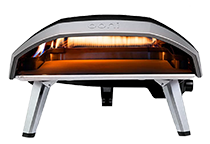
Because 00 browns more slowly below 700° F, give your home oven every advantage: preheat a stone or steel for a full hour at its maximum temperature, bake on the top rack, and add a teaspoon of sugar to the dough if you want deeper color. Our oven temperature guide walks through rack positions. And if a dedicated pizza oven is on your wishlist, our take on whether you really need one is worth a read first; at 700° F and up, 00 dough is simply untouchable.
Which 00 Flour Should You Buy?

The Neapolitan Classic
The benchmark is Antimo Caputo Pizzeria (the blue bag), milled in Naples and used by pizzerias worldwide. The mill itself, Molino Caputo, has been grinding soft wheat in Naples since 1924, and the Pizzeria blend is formulated for high-heat ovens and long ferments. If you own an outdoor pizza oven, start here; it is the reference every other 00 flour is judged against.
Best for Home Ovens
Baking in a conventional oven at 500 to 550° F? Pick a 00 flour designed for it. Caputo Americana is blended specifically for lower-temperature American ovens, with malt added for browning, so you get color without a 900° F floor. The easiest to find is King Arthur 00 Pizza Flour, milled from American wheat and sold in most grocery stores, and it performs well in both home ovens and pizza ovens. Whichever you choose, dust your peel with a little semolina (our semolina vs. cornmeal guide explains why) and you are set up for the best crust your kitchen has ever produced.
Frequently Asked Questions
Quick answers to the most common questions about 00 flour for pizza.
What does 00 mean in flour?
It is the finest grade in the Italian flour classification, which runs from 2 (coarsest) down to 00 (finest). The number describes how finely the wheat is milled and how much bran is sifted out, not the protein content.
Is 00 flour the same as all-purpose flour?
No. Pizza-grade 00 has similar protein to all-purpose, but it is milled to a much finer, powdery texture from soft wheat. That grind produces a softer, more extensible dough and a more tender, blistered crust than all-purpose can.
Can you use 00 flour in a regular home oven?
Yes, with one adjustment. Classic Neapolitan 00 browns slowly below 700° F, so preheat a stone or steel for a full hour at maximum heat and consider a blend made for home ovens like Caputo Americana or King Arthur 00 Pizza Flour for better color.
Does 00 flour need less water?
Usually, yes. The fine grind hydrates differently than standard flour, so start around 60 to 62 percent hydration and add water only if the dough feels stiff. Swapping 00 into a bread-flour recipe unchanged often gives a slack, sticky dough.
Is 00 flour good for NY-style pizza?
It works, but bread flour is the traditional choice for NY-style because its stronger gluten gives the chewy, foldable structure that style is known for. Use 00 when you want a tender, delicate crust, and bread flour when you want chew.
Can you use 00 flour for pasta and bread?
Absolutely. Tipo 00 is Italy’s standard flour for fresh egg pasta, and it makes excellent focaccia and soft breads. Just match the protein to the job: pasta blends run lower in protein than pizza blends.