All-purpose flour for pizza dough is the most common pantry question in homemade pizza: you have a bag of AP in the cupboard, a pizza night planned, and a recipe that calls for bread flour or 00. Do you really need a special trip to the store?
The good news is that all-purpose flour makes genuinely good pizza dough, and for several popular styles it is arguably the better choice. The catch is that AP flour is not one thing: protein content swings from brand to brand, and that single number changes how your dough stretches, ferments, browns, and chews.
Here is what actually changes when you make pizza dough with all-purpose flour, how it stacks up against bread flour and 00, the adjustments that get you the best possible crust from the bag you already own, and the situations where a different flour is worth buying.
Key Takeaways
- Yes, all-purpose flour works for pizza dough. Its moderate protein content (roughly 9 to 12 percent depending on brand) produces a softer, more tender crust than bread flour.
- Brand matters more than the label: some all-purpose flours run near 11.7 percent protein and behave almost like bread flour, while budget blends sit closer to 10 percent.
- For the best AP crust, hold back a little water, give the dough extra folds, and let it rest overnight in the fridge to build strength.
- Reach for bread flour when you want a chewy, long-fermented crust, and for 00 flour when you are baking in a blazing-hot pizza oven.
Table of Contents

Can You Use All-Purpose Flour for Pizza Dough?
The Short Answer
Yes, and millions of Friday-night pizzas prove it. All-purpose flour sits in the middle of the protein spectrum, which makes it the most forgiving flour in the pantry: strong enough to build a gluten network that traps gas and rises, gentle enough to stay tender. According to Bob’s Red Mill’s flour guide, typical all-purpose flour runs about 10 to 12 percent protein and is milled from a blend of higher and lower protein wheats, which is exactly the balance that makes it flexible. Your crust will be a touch softer and less chewy than a bread-flour crust, and for pan pizzas, sheet-pan pizzas, and same-day doughs, many people prefer it that way.
Why Protein Content Matters
When flour meets water and gets kneaded, two wheat proteins link up into gluten, the stretchy scaffolding that lets dough hold bubbles and keep its shape. More protein means a stronger network: more chew, more structure, more oven spring. Less protein means a more tender bite. Protein also affects color: the International Food Information Council’s flour guide notes that bread flour’s higher protein content produces more browning in the oven, which is why an all-purpose crust can come out paler at the same temperature. Protein percentage is the single most useful number for predicting how a flour will behave in pizza dough.
All-Purpose vs. Bread Flour vs. 00
Side by Side
| Flour | Typical Protein | Crust Result | Best Pizza Uses |
|---|---|---|---|
| All-purpose | 9 to 12% | Soft, tender, lightly crisp | Pan pizza, sheet pan, same-day dough, weeknight pies |
| Bread flour | 12 to 14% | Chewy, structured, browns deeply | NY-style, long cold ferments, big puffy rims |
| 00 flour | Medium protein, very finely milled | Delicate, tender, crisp exterior | Neapolitan-style in very hot ovens (700° F and up) |
The ranges come with a caveat. In a Fresh Loaf discussion on protein and crispy crusts, experienced bakers point out that oven temperature and bake time drive crispiness far more than small differences in protein or hydration. Flour sets the ceiling, but your oven decides how close you get to it.
Why the Brand on the Bag Matters
Here is the part most recipes skip: all-purpose is a category, not a specification. Epicurious’s flour breakdown puts the AP range at 9 to 12 percent protein depending on brand, and notes that King Arthur’s unbleached all-purpose sits at 11.7 percent, unusually high for the category and close to some bread flours. A bag at the top of that range will give you a noticeably chewier, better-browning pizza crust than a soft budget blend near the bottom. If pizza is a regular event in your kitchen, a higher-protein AP like King Arthur Unbleached All-Purpose Flour is the sweet spot between a specialty flour and a pantry staple.
How to Get the Best Results with All-Purpose Flour

Hold Back a Little Water
Lower protein flour absorbs less water, so a recipe written for bread flour will feel wetter and slacker with AP. When you are adapting a bread-flour recipe, hold back about 2 to 3 percent of the water (roughly a tablespoon per 500 grams of flour), add it gradually at the end of mixing, and stop when the dough feels soft but not sticky. If you are weighing your ingredients, our hydration deep dive shows how much a few points of water change a dough. A slightly firmer AP dough is easier to stretch thin without tearing, and it bakes up crisper.
Give It Time: Folds and an Overnight Rest
Because AP flour starts with less gluten potential, technique has to do more of the work, and the Epicurious guide has the two best moves. First, be generous with kneading or stretch-and-folds during the first hour: each round of folds aligns and strengthens the network. Second, give the dough a long, cold fermentation. An overnight rest in the fridge (12 to 24 hours) builds both strength and flavor with zero extra effort, and it is the single biggest upgrade you can make to an all-purpose dough. Plan ahead and AP dough rewards you; rush it and bread flour wins.
Bake Hot for Better Browning
Since AP dough browns a little less readily than bread-flour dough, give it all the heat you can. Preheat a baking steel or stone for a full 45 to 60 minutes at your oven’s maximum (usually 500 to 550° F), and bake on a lower-middle rack so the bottom sets quickly. Our pizza temperature guide has the rack-by-rack details. A teaspoon of sugar or a drizzle of olive oil in the dough also nudges browning along at home-oven temperatures.

When to Reach for a Different Flour

Chewy, Long-Fermented Crusts
If your goal is a foldable, chewy New York-style slice or a 48 to 72 hour cold ferment, bread flour earns its keep. At 12 to 14 percent protein it builds a stronger network that stands up to multi-day fermentation without relaxing into slackness, and it browns more deeply. In the Fresh Loaf thread above, the go-to formula for a crispy NY crust is bread flour at around 12.5 percent protein with roughly 62 percent hydration and a little oil. Something like King Arthur Organic Bread Flour is the classic pick, and Epicurious notes that professional bakers reach for 14 percent high-gluten flour for the chewiest doughs of all.
Blazing-Hot Pizza Ovens
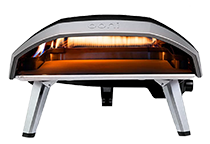
At the other end of the spectrum, if you own an outdoor pizza oven that hits 700° F or more, finely milled 00 flour is the traditional choice for Neapolitan-style pies. Its powdery grind hydrates into an exceptionally extensible dough that puffs fast and chars in spots during a 60 to 90 second bake, while all-purpose doughs can scorch before they soften at those temperatures. King Arthur 00 Pizza Flour is an easy way to try it, milled from American wheat specifically for pizza. In a standard home oven, though, AP or bread flour is usually the better performer, so match the flour to the oven you actually have.
Frequently Asked Questions
Quick answers to the most common questions about all-purpose flour for pizza dough.
Can you use all-purpose flour instead of bread flour for pizza dough?
Yes. Expect a slightly softer, more tender crust with a bit less chew. Hold back a little water, give the dough extra stretch-and-folds, and rest it overnight in the fridge to make up the strength difference. For pan and sheet-pan pizzas, many people prefer the AP result.
Is all-purpose flour or 00 flour better for pizza?
It depends on your oven. In a blazing-hot pizza oven (700° F and up), finely milled 00 flour produces the classic tender, leopard-spotted Neapolitan crust. In a regular home oven at 500 to 550° F, all-purpose or bread flour usually performs better because the longer bake suits their gluten structure.
What protein content should pizza flour have?
Anywhere from about 10 to 14 percent works, depending on style. Aim for 11 to 12 percent for tender, everyday crusts and pan pizzas, 12.5 to 14 percent for chewy NY-style and long cold ferments, and a finely milled medium-protein 00 flour for very hot ovens.
Does all-purpose flour pizza dough need less water?
Slightly, yes. Lower protein flour absorbs less water, so when adapting a bread-flour recipe hold back roughly 2 to 3 percent of the water (about a tablespoon per 500 grams of flour) and add it only if the dough feels too stiff after mixing.
Why is my all-purpose flour pizza crust pale?
Lower protein flour browns less readily. Bake at your oven’s maximum temperature on a fully preheated steel or stone, and add a teaspoon of sugar or a little olive oil to the dough to encourage color. An overnight cold ferment also helps by freeing up sugars for browning.
Can you mix all-purpose flour with bread flour for pizza?
Absolutely. A 50/50 blend lands you right between the two: more chew and browning than straight AP, more tenderness than straight bread flour. Blending is also a smart way to stretch a specialty flour or use up the end of a bag.