Yes, bread flour is excellent for pizza dough, and for most home ovens it is the single easiest upgrade you can make. With 12 to 14% protein, bread flour builds a stronger gluten network than all-purpose flour, which gives you a crust that stretches thin without tearing, puffs up with a real rim, and bakes crisp instead of bready. Below is exactly what bread flour does inside your dough, how it compares to the other flours in your pantry, and a tested recipe with baker’s percentages you can mix tonight.
If your homemade pizzas keep coming out pale, floppy, or closer to flatbread than pizzeria pizza, the flour is often the culprit, not your technique. We have baked hundreds of pizzas across every flour a grocery store sells, and the jump from all-purpose to bread flour is the change that pays off on the very first bake: a bottom that actually crackles when you cut it, a rim with air pockets instead of a dense ring, and slices you can hold flat without the tip flopping. This guide hands you that result.
Here is what bread flour is, how it stacks up against all-purpose and 00 flour, a complete bread flour pizza dough recipe, and the one situation where bread flour stops being the right tool.
Key Takeaways
- Bread flour runs 12 to 14% protein, versus 10 to 12% for all-purpose flour. That extra protein is gluten fuel, and gluten is what gives pizza crust its chew, its rise, and its structure.
- For home ovens baking at 450 to 550°F, bread flour is the best default flour for pizza dough. It tolerates the long bake better than 00 and outperforms all-purpose on crispness.
- For true Neapolitan pizza in ovens above 700°F, 00 flour is still the right call; bread flour can turn brittle and bitter at those temperatures.
- Weigh, do not scoop: measuring flour by weight is the difference between a reliable recipe and a guessing game.
- Bread flour dough rewards patience. A 24 to 72 hour cold ferment turns the same four ingredients into a noticeably tastier crust.
Table of Contents

What Bread Flour Actually Is
Bread flour is milled from hard wheat, the wheat varieties that pack the most protein. Where all-purpose flour blends hard and soft wheats to land in the middle of everything, bread flour commits to the high end: typically 12 to 14% protein by weight. Weekend Bakery’s flour guide lays out the divide clearly: hard wheats are high in protein and built for yeasted breads, while soft wheats are low in protein and reserved for cakes and pastries. Protein is not nutrition trivia here. When wheat protein meets water and gets kneaded, it forms gluten, the elastic web that traps the gas your yeast produces.
More gluten means three things a pizza crust wants. The dough stretches into a thin center without tearing when you shape it. The rim holds the carbon dioxide from fermentation and balloons in the oven instead of slumping. And the baked crust keeps a crisp, shattering exterior with a chewy interior, the texture you are actually paying for at a pizzeria. Bread flour is not a specialty product or a chef secret: every supermarket carries it, usually within a dollar of all-purpose per bag.
Bread Flour vs All-Purpose vs 00 Flour
Three flours dominate the pizza conversation, and each wins in a specific oven. Here is the honest comparison.
| Flour | Protein | Best for |
|---|---|---|
| All-purpose flour | 10 to 12% | Casual pan pizzas and emergency doughs; tender but less crisp. See our all-purpose flour pizza dough guide for when it works. |
| Bread flour | 12 to 14% | The best all-rounder for home ovens at 450 to 550°F: crisp bottoms, chewy rims, forgiving dough. |
| 00 flour | 11 to 13%, finely milled | Neapolitan pizza in 700°F-plus ovens where the short bake needs finesse, not strength. Our 00 flour for pizza guide covers it in full. |
Notice the overlap: 00 flour can match bread flour on protein, but it is milled to a talcum-like fineness that hydrates and bakes completely differently. In a home oven, 00 dough tends to dry out before it colors, because these ovens need four to six minutes to finish a pizza and the delicate flour cannot take that much heat exposure. Bread flour thrives in exactly that window. If you own a conventional oven, a baking stone or steel, and a dream, bread flour is your flour.
A Bread Flour Pizza Dough Recipe
This formula makes two 12-inch pizzas and scales cleanly. The baker’s percentages (ingredient weight as a share of flour weight) let you make any amount of dough without guessing.
| Ingredient | Weight (for 2 pizzas) | Baker’s % |
|---|---|---|
| King Arthur bread flour (12.7% protein) | 500 g | 100% |
| Water, lukewarm | 325 g | 65% |
| Instant yeast | 2 g (scant 1 tsp) | 0.4% |
| Fine sea salt | 13 g (2 tsp) | 2.6% |
| Extra-virgin olive oil | 10 g (2 tsp) | 2% |
You will need a digital kitchen scale that reads grams. Scooping flour with a cup can vary the load by 20% or more between scoops, and with hydration this precise, that variance is the difference between a silky dough and a sticky mess. Put the bowl on the scale, tare it, and pour.
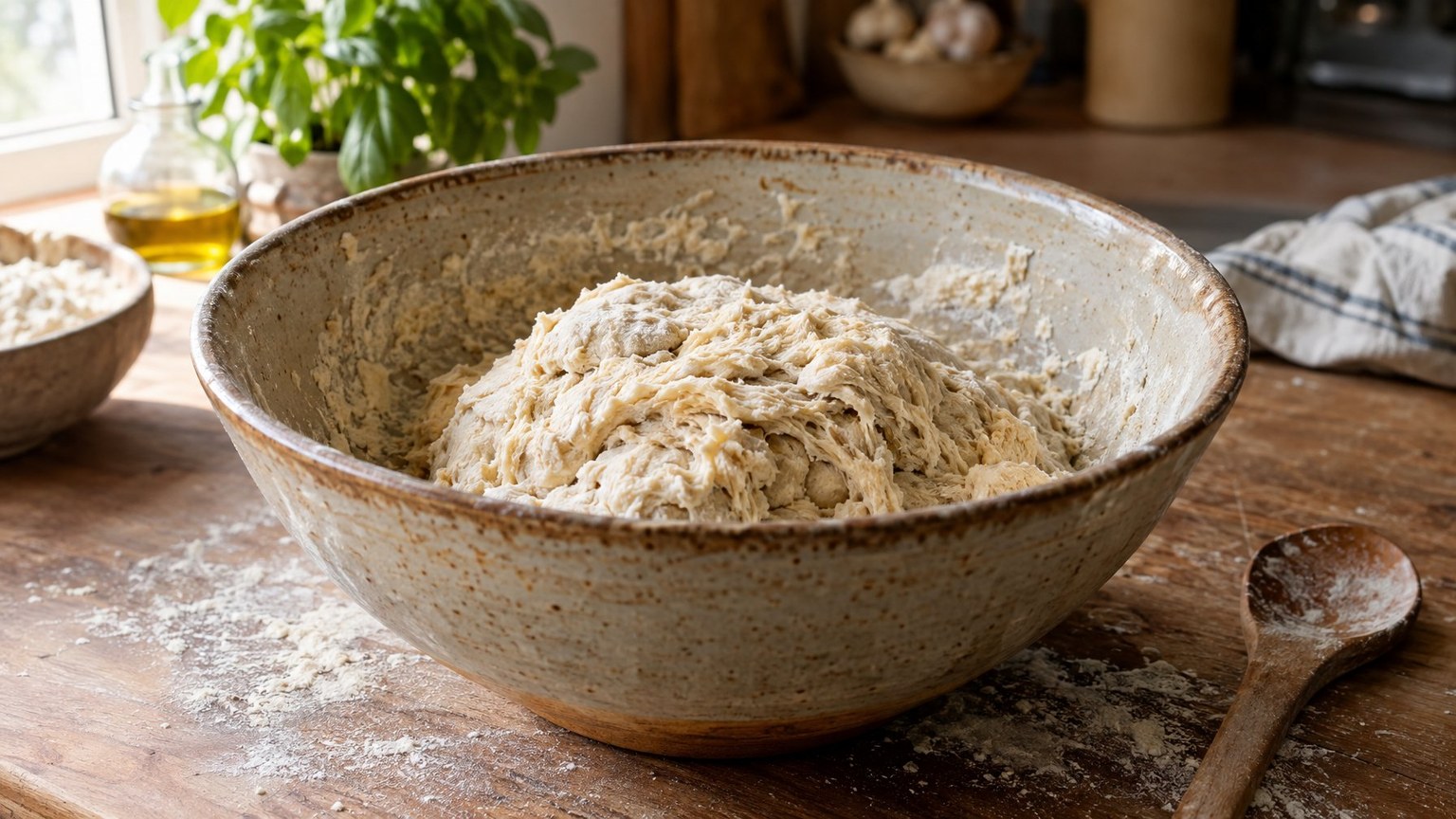
The method is simple. Dissolve the yeast in the water for a minute, then add about three quarters of the flour and all the salt and oil. Mix into a shaggy mass, rest it for 20 minutes (this autolyse lets the flour hydrate fully and shortens kneading), then knead in the remaining flour a spoonful at a time until the dough is smooth and slightly tacky, about 8 to 10 minutes by hand. If you want a well-tested reference to compare against, Natasha’s Kitchen builds its pizza dough on bread flour with a similar ratio, and BBC Good Food’s basic pizza dough walks the classic mixing method step by step. Divide the finished dough into two balls and move on to fermentation.
Kneading and Gluten Development

Kneading is where bread flour earns its protein. Push the dough away with the heel of your hand, fold it back over itself, give it a quarter turn, and repeat. You are aligning gluten strands into a sheet, and after 8 to 10 minutes the dough transforms: from shaggy and sticky to smooth, elastic, and springy. It should push back when you poke it.
The windowpane test tells you when to stop. Pinch off a golf-ball piece and stretch it gently between your fingers. When it thins into a translucent membrane you can almost see through without tearing, the gluten is developed and the dough is done. If it rips early, knead two more minutes and test again. Under-kneaded bread flour dough tears during shaping; over-kneaded dough gets tight and resistant. The windowpane window is wide with bread flour, which is exactly why it is forgiving for newer pizza makers.
Proofing and Cold Fermentation

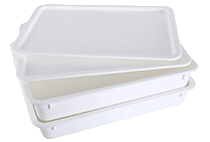
Shape your kneaded dough into tight balls, coat each lightly with olive oil, and seal them in covered containers. You have two paths from here, and they lead to very different crusts.
- Same-day ferment (1 to 2 hours at room temperature): the dough roughly doubles, bakes up soft and bread-like, and tastes fine. This is the Friday-night emergency path.
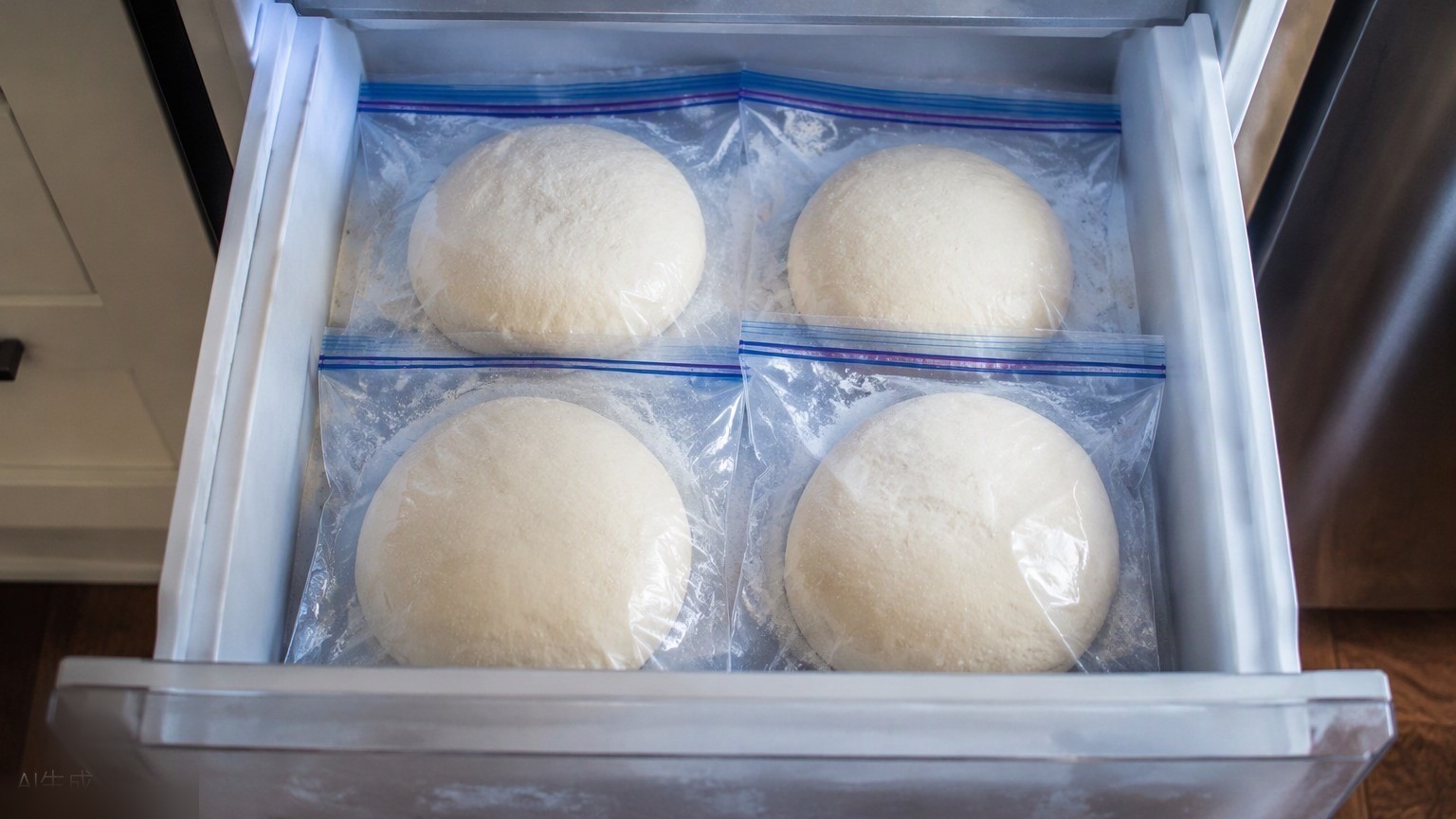
- Cold ferment (24 to 72 hours in the fridge): the yeast works slowly and the enzymes in the flour break starches into sugars, building flavor no same-day dough can match. The dough also develops extensibility, meaning it stretches into a thinner, more even base. Our cold fermentation pizza dough guide covers the timing in full.
Whatever path you choose, cold dough straight from the fridge fights you when you shape it. Let the balls sit at room temperature for 60 to 90 minutes before stretching, and they will relax into pliable, easy-to-work dough. Pull one ball out when you preheat your oven and stone, and the timing aligns perfectly.
Shaping and Baking Your Pizza

Press the dough ball flat with your fingertips, leaving a one-inch border untouched for the rim. Lift it onto your knuckles and rotate, letting gravity stretch the center, until you have a 12-inch round with a defined edge. Resist the rolling pin: it crushes the gas bubbles in the rim and costs you the rise you worked for.
Baking setup matters as much as the flour. Preheat your oven at its highest setting for at least 45 minutes with a cordierite pizza stone or steel on an upper-middle rack; the surface needs to be ripping hot the moment the dough lands. Our best temperature to cook a pizza guide explains why most home ovens do their best pizza work between 500 and 550°F, and our cordierite pizza stone guide covers the tool doing the heavy lifting. Dust your peel with semolina or flour, build the pizza fast, and launch with a confident flick of the wrist.
In a properly preheated oven, a bread flour pizza bakes in 5 to 8 minutes. Watch for the rim to blister and char in spots, the cheese to bubble, and the bottom to freckle with golden-brown spots when you peek with the peel. That visual is the payoff: the first slice holds its structure, the rim tears open to show the open crumb inside, and the bottom crackles under the cutter. Skip the preheat or bake on a cold pan, and the same dough steams into a pale, chewy disappointment, which is the most common way good dough gets blamed for bad pizza.
When Bread Flour Is the Wrong Choice
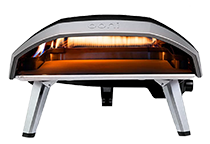
Bread flour has one real weakness: extreme heat. Above roughly 700°F, the extra protein and bran in bread flour scorch before the interior sets, turning the crust bitter and brittle. If you are baking in a dedicated pizza oven, an Ooni, or under a restaurant-grade broiler, switch to 00 flour and follow our 00 flour guide. The two flours are tools for two different ovens, and owning both costs less than a month of takeout.
One more nuance: what goes on the peel. Bread flour is your dough flour, but for dusting the peel, semolina is the pro move. Its coarse granules act like ball bearings under the dough and toast into a subtle, nutty crunch on the crust’s underside. Caputo’s semola rimacinata is the benchmark, finely milled enough to dust without grit. Think of it this way: bread flour builds the structure, semolina gets it into the oven.
Buying Bread Flour
Any supermarket bread flour will beat all-purpose flour for pizza, but protein content varies by brand, and a few percentage points show up on the plate. Our default is King Arthur’s unbleached bread flour at 12.7% protein, which is a full point above many national brands and consistent bag after bag, an underrated quality when you are trying to troubleshoot a recipe. A 5-pound bag runs about the price of one large delivery pizza and covers ten or more pizza nights. If you bake weekly, pair it with a one-pound vacuum pack of instant yeast, which keeps for months in the fridge and costs a fraction of the envelopes.
Buy bread flour once, weigh it, give it a long cold ferment, and your next pizza night looks like this: a rim that rises an inch off the peel, charred blisters, a bottom that snaps when you fold a slice, and a family that asks what changed. Keep using all-purpose out of habit and the honest answer is nothing. Flour is the cheapest ingredient in pizza and the one with the most leverage. Spend the extra dollar.
Frequently Asked Questions
Can I use bread flour for pizza dough?
Yes, and in most home ovens it produces the best all-around pizza crust. Its 12 to 14% protein builds strong gluten, which gives the crust a crisp exterior, a chewy interior, and a rim that rises properly in a standard oven.
Is bread flour or all-purpose flour better for pizza?
Bread flour is better for pizza in nearly every home oven scenario. All-purpose flour makes a tender, softer crust that can taste bready and struggles to crisp. The extra protein in bread flour fixes both problems and also makes the dough easier to stretch without tearing.
What protein percentage should bread flour have for pizza?
Aim for 12 to 14% protein. Anything in that range performs well; King Arthur bread flour sits at 12.7% and is a reliable benchmark. Below 12%, you lose much of the crisping and structural benefit that makes bread flour worth buying for pizza.
Can I substitute bread flour for 00 flour in pizza dough?
You can, as long as you are baking in a home oven rather than a high-heat pizza oven. In a 450 to 550°F oven, bread flour actually outperforms 00 flour because it tolerates the longer bake. Only in ovens above about 700°F does 00 become the necessary choice.
Do I have to knead bread flour pizza dough longer?
About the same or slightly longer than all-purpose, roughly 8 to 10 minutes by hand. Judge by the dough, not the clock: it should be smooth, spring back when poked, and pass the windowpane test, where a stretched piece thins to a translucent membrane without tearing.
What hydration works best for bread flour pizza dough?
60 to 68% hydration is the sweet spot for beginners: our recipe uses 65%. Bread flour can handle 70% and higher, which creates a lighter, airier crumb, but wet dough is harder to shape and launch, so work up to it as your handling improves.
Does bread flour pizza dough need a cold ferment?
It does not need one, but it benefits more than almost any dough in your kitchen. A 24 to 72 hour cold ferment develops flavor and extensibility that a same-day rise cannot match, so if you can mix the dough a day or two ahead, do it.