A calzone is a pizza folded in half: the dough gets stretched into a circle, loaded with ricotta, mozzarella, and your favorite fillings on one side, folded over, sealed, and baked until golden. That is the whole idea, and the recipe below makes two generous calzones with about 20 minutes of active work once your dough is ready.
If your homemade pizza nights have started to feel predictable, the calzone is the fastest way to make them feel new again. Same dough, same oven, same ingredients, but the result is a crisp, pocketed hand pie with a molten cheese center that your open-faced pies can never quite match. We have baked dozens of these across home ovens and pizza ovens, and the method below is the one that never bursts, never leaks, and always gets finished first.
Here is what a calzone actually is (and how it differs from a stromboli), the exact ingredients and steps, and the filling combinations worth trying once you have the base down.
Key Takeaways
- A calzone is pizza dough folded over ricotta, mozzarella, and fillings, then sealed and baked. It is pizza you can eat with your hands, no slice flop.
- Drain the ricotta and cool the sauce. Wet fillings are the number one cause of burst, soggy calzones.
- Fill only one half, leave a clean 1-inch (2.5 cm) border, and crimp the edges hard. A tight seal is the difference between a calzone and a cheese volcano.
- Bake at 475 to 500°F (245 to 260° C) on a preheated steel or stone until deeply golden, 15 to 20 minutes. The outside should shatter, the inside should flow.
Table of Contents

What Is a Calzone?
A calzone is a folded pizza from Naples: a round of leavened dough, filled on one side with cheese and toppings, folded into a half moon, sealed along the curved edge, and baked (or traditionally fried) until golden. Everything that would sit on top of a pizza instead hides inside, steaming in its own pocket. If you have ever wondered whether it still counts as pizza, you are not alone, and we dug into exactly that question in our piece on whether calzones are still considered pizza. Short answer: same family, different personality.
Where the Calzone Comes From
The calzone was born in 18th century Naples as street food, a portable meal workers could carry and eat without a plate or utensils. The name comes from the Neapolitan dialect, and Flavor Insider’s look at the name’s etymology traces it to the Italian for a trouser leg or shoe, a nod to its folded, pocket-like shape. That grab-and-go DNA is still the point: a calzone is pizza engineered for eating on the move. In Naples you will also find its smaller fried cousin, the panzerotto, sold as a snack rather than a meal.
Calzone vs. Stromboli
The two get mixed up constantly, and the difference is structural. A calzone is a single round of dough folded in half into a half moon, almost always built on ricotta, and crimped along a curved edge. A stromboli starts as a rectangle of dough, gets topped edge to edge, and is rolled up like a jelly roll before baking, which is why it slices into spirals. Strombolis rarely contain ricotta and are usually built around mozzarella and Italian meats. If it is half moon shaped with a crimped seam, it is a calzone. If it is a cylinder you slice crosswise, it is a stromboli.
Calzone Ingredients

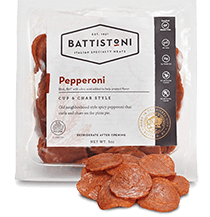
For two large calzones you need: 2 balls of pizza dough (about 250 grams (8.8 oz) each), 1 cup (245 g) of whole-milk ricotta, 8 ounces (227 g) of shredded low-moisture mozzarella, 4 ounces (113 g) of pepperoni or cooked Italian sausage, 1/2 cup (120 ml) of thick tomato sauce (for dipping, not filling), 1 tablespoon (13 g) of olive oil, 1 clove of garlic (minced), and a pinch of dried oregano. Flour and semolina for the work surface and the peel.
The Cheese Base
Ricotta is the soul of a calzone, and it needs two things: whole milk for richness, and draining. Set the ricotta in a fine mesh strainer over a bowl for 30 minutes before you build, because excess whey is the main reason calzones go soupy. We like a big tub of Galbani whole milk ricotta for exactly this, creamy enough to stand up to baking without turning watery. Low-moisture mozzarella goes on top of the ricotta for the pull; a block of Wisconsin whole milk mozzarella shredded yourself melts far better than pre-shredded bags coated in anti-caking starch. If you want to go deep on fresh cheese, Cultures for Health’s cheese making guides cover how ricotta and mozzarella are made from scratch, a fun weekend project once the basic calzone is in your rotation.
The Sauce Question
Here is the rule that saves most first-time calzones: sauce stays outside. Spooning loose tomato sauce into the filling is the fastest route to a soggy pocket and a burst seam, because the sauce steams and thins the cheese around it. In Naples the filling is usually cheese, cured meats, and greens, with marinara served on the side for dipping. If you must sauce the inside, use a spoonful of thick, concentrated passata, not watery crushed tomatoes. Mutti’s guide to pizza sauces covers why smooth, dense sauces behave better under heat than chunky ones, and the same logic applies inside a sealed pocket. Our homemade garlic sauce for pizza also makes an excellent calzone dip if you want something cooler and brighter than marinara.
How to Make a Calzone

Three moves, in order: stretch and fill, fold and seal, bake it hot. Total hands-on time is about 20 minutes, and the full method is below. If your dough is cold from the fridge, let it sit at room temperature for 1 to 2 hours first, cold dough tears when you stretch it.
Stretch and Fill
Heat your oven to 475 to 500°F (245 to 260° C) with a baking steel or stone on the middle rack for at least 45 minutes. On a floured surface, stretch or roll one dough ball into a 10 to 12 inch circle, then move it to a semolina-dusted aluminum pizza peel so you never have to lift it again. Spread half the ricotta over one half of the circle, leaving a full 1-inch (2.5 cm) border bare, then scatter on mozzarella, pepperoni, garlic, and oregano. The dough circle should relax for 5 minutes after stretching, it shrinks back less when you fold it. Our pizza dough hydration guide explains why a moderately hydrated 60 to 65% dough is the sweet spot here: extensible enough to stretch thin, strong enough to hold a seal.
Fold and Seal
Lift the bare half of the dough up and over the filling, matching the edges to form a half moon. Press the edges together firmly with your fingertips to push out any trapped air pockets, then crimp: fold the bottom edge up over the top edge in small sections and pinch, working from one end to the other, like crimping a pie crust. A fork pressed around the seam works too and is faster. Brush the top lightly with olive oil, cut two small slits in the top as steam vents, and dust the peel with a little more semolina so the calzone still slides when you launch it. Forgetting the vents is the classic rookie mistake: trapped steam pops the seam from the inside.
Bake It Hot
Slide the calzone onto the preheated The Original Baking Steel and bake 15 to 20 minutes, until the crust is a deep, spotted golden brown and the internal temperature reads 190°F (88° C) if you check. The steel’s thermal mass crisps the bottom before the cheese has time to weep out, which is exactly the trade you want. Let it rest 5 minutes before cutting, the filling stays molten far longer than an open pizza. King Arthur’s pizza baking school is worth bookmarking for the underlying dough and oven technique, and our best temperature to cook a pizza guide covers the oven dial in more depth. The first time you cut one open and the mozzarella pulls in a long rope, you will understand why the calzone outlived the trouser it was named after.
Calzone Filling Ideas

Once the base technique is solid, the calzone becomes a fridge-cleaning machine. The rules are simple: keep total filling to about 1 cup (240 ml) per calzone, drain anything wet, and pre-cook raw meats.
| Filling Combo | What Goes Inside | Why It Works |
|---|---|---|
| Classic Ricotta | Ricotta, mozzarella, pepperoni, oregano | The benchmark. Balanced salt, fat, and pull. |
| Spinach and Ricotta | Squeezed-dry spinach, ricotta, mozzarella, garlic | The vegetarian standard. Just wring the spinach out hard. |
| Sausage and Peppers | Cooked Italian sausage, sauteed peppers and onions | Pre-cook both so no raw moisture hits the pocket. |
| Buffalo Chicken | Cooked chicken, mozzarella, a spoonful of buffalo sauce | Spoon sauce sparingly; serve ranch or blue cheese on the side. |
| Mushroom and Fontina | Sauteed mushrooms (cooled), fontina, thyme | Earthy and rich. Earthy mushrooms must cool before sealing. |
| Ham and Broccoli Rabe | Prosciutto cotto, blanched broccoli rabe, provolone | Bitter greens against salty ham, very southern Italian. |
A slow-fermented dough lifts every one of these combos. If you have the time, our cold fermentation pizza dough method gives the calzone a noticeably deeper, more complex flavor, and it handles the folded shape even better because the dough is stronger after a long rest. For the launch surface, a dusting of semolina beats flour for a clean slide, we break down why in our guide on cornmeal or semolina for pizza.
Frequently Asked Questions
What is the difference between a calzone and a pizza?
A pizza is stretched flat and topped, then baked open-faced. A calzone uses the same dough but fills one half and folds it into a sealed pocket, so the toppings steam inside the crust instead of roasting on top. Same ingredients, different architecture, and the calzone travels far better.
Do you put sauce inside a calzone?
Traditionally, no. Neapolitan calzones are filled with cheese, meats, and greens, with marinara served on the side for dipping. If you want sauce inside, use a small amount of thick passata and keep the rest for dipping, because loose sauce turns the filling watery and pops the seam.
Why did my calzone burst open in the oven?
Almost always one of three things: wet filling (drain the ricotta and cool cooked ingredients), an under-sealed seam (crimp hard, then crimp again), or no steam vents (cut two small slits in the top before baking). Fix all three and bursting becomes rare.
What temperature do you bake a calzone at?
475 to 500°F (245 to 260° C) on a preheated steel or stone, for 15 to 20 minutes. You want the crust deeply golden before the cheese overcooks, and a ripping hot surface crisps the bottom so the filling never has time to leak. If the top browns too fast, move the rack down one position.
Can you make calzones with store-bought pizza dough?
Yes, and it works well. Let the dough warm at room temperature for 1 to 2 hours so it stretches without tearing, and divide a 1-pound ball into two pieces for two calzones. Stretch it slightly thinner than the package suggests, about 10 to 12 inches (25 to 30 cm) per ball, so the crust does not go bready.
Is a calzone folded or rolled?
Folded. A calzone is a circle of dough folded in half into a half moon and crimped along the curved edge. A rolled, cylinder-shaped relative filled with mozzarella and meats is a stromboli, and despite sharing dough and toppings with the calzone, it is a different dish with a different name.