Yes, you can freeze pizza dough, and done right it bakes up almost as well as fresh. Let the dough finish its cold fermentation in the fridge, portion and lightly oil each ball, freeze it solid, and it keeps for up to 3 months. Thaw it overnight in the refrigerator, give it an hour at room temperature, and bake. The full freeze, thaw, and bake method is below, along with the storage times and the mistakes that ruin frozen dough.
Weeknight pizza ambitions usually die at the dough stage: mixing and kneading after work feels like too much, the craving passes, and another Friday goes to takeout. Freezing is the fix that keeps homemade pizza a weeknight reality. We freeze dough in monthly batches and bake it side by side with fresh dough, and the method below is the one where testers genuinely cannot tell the difference.
Here is the short science of why freezing works (and the one case where it does not), the exact step-by-step freeze method, how to thaw and bake the dough so the crust stays puffy and flavorful, and the answers to the questions everyone asks about storage times, refreezing, and freezer burn.
Key Takeaways
- Freeze dough after its cold fermentation, not before. The fridge rest builds flavor, and fully fermented dough freezes and thaws with its structure intact.
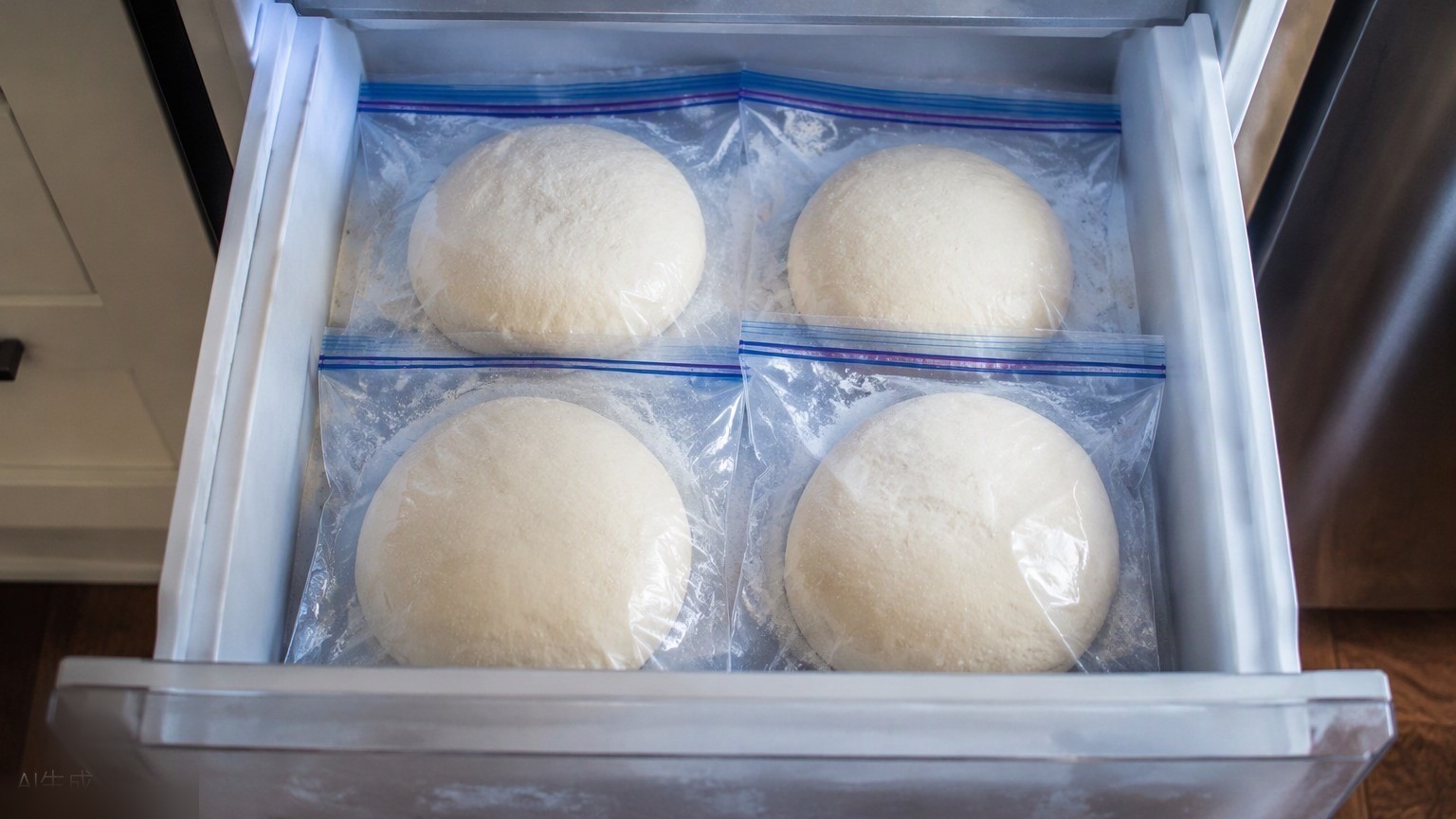
- Portion before freezing: one oiled 250 to 280 gram dough ball per bag equals one pizza, so weeknight prep is nothing more than a thaw.
- Flash freeze the balls solid on a parchment-lined tray first, then bag them. They keep about 3 months at 0 degrees F for best quality.
- Thaw overnight in the refrigerator, never on the counter, then rest 1 hour at room temperature before stretching.
- Never refreeze thawed dough. The yeast and gluten are spent, and a second freeze turns the crust dense and pale.
Table of Contents
Does Freezing Pizza Dough Actually Work?
Yes, and the reason is simple: yeast goes dormant as the temperature drops, so freezing hits a biological pause button on fermentation. The dough does not keep rising in the freezer, it does not keep developing flavor, and it waits for you in exactly the state you froze it. The USDA’s freezing and food safety guidance confirms the other half of the equation: food held constantly at 0 degrees F stays safe indefinitely, so the real limit in your freezer is quality, not safety.
The one case where freezing fails is timing. Dough frozen early in its rise keeps fermenting as it thaws, and by the time it is pliable again it has blown past its prime and bakes up sour and slack. America’s Test Kitchen found the same thing: room-temperature dough overproofs as it thaws, while refrigerated dough that has finished its cold ferment freezes beautifully because the yeast wakes slowly and controllably. Freeze finished, cold-fermented dough and the method is nearly foolproof.
How to Freeze Pizza Dough, Step by Step
Step 1: Finish the fermentation first. Let your dough complete its rise, ideally a 24 to 72 hour cold ferment in the refrigerator. The slow fridge rest is what builds the flavor you would otherwise lose, and it sets the yeast up to survive the freeze. If your dough barely rose before this point, fix that first with our guide to pizza dough that will not rise, because freezing cannot rescue under-fermented dough.
Step 2: Portion and weigh the balls. Divide the dough into single-pizza balls before freezing, because a frozen 2-pound block takes a day and a half to thaw and never relaxes evenly. Weigh each ball: 250 to 280 grams makes an 11 to 12 inch pie. A digital kitchen scale like the Ozeri Pronto turns this into a ten-second job, and if you are scaling a recipe up or down, our rundown of the best pizza calculators will do the dough math for any pan size.
Step 3: Oil the surface. Coat each ball lightly in olive oil. The oil film stops the surface from drying into a leathery skin in the freezer and helps the ball slip out of its container later. Rub it in with your hands; a thin, even coat is all you need.

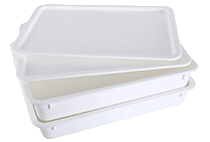
Step 4: Choose a freezing method. The bag method: set each oiled ball in its own freezer zip bag, press the air out, and seal. A box of Ziploc gallon freezer bags handles a full batch and leaves room for the dough to expand slightly as it freezes. The container method: nest each ball in a lightly oiled round storage container with a lid, which protects delicate high-hydration dough from getting squashed. A set of Cambro round food-storage containers is the pizzeria-standard choice, and the same tubs double as cold-fermentation vessels the rest of the month.
Step 5: Flash freeze, then store. If you used bags, lay them flat on a parchment-lined tray and freeze until solid, about 3 hours, before stacking. Flash freezing keeps the soft balls round instead of squished, and the parchment prevents sticking. Label every bag or lid with the date and the ball weight, then store at the back of the freezer where the temperature holds steadiest.

How to Thaw and Bake Frozen Pizza Dough
Step 1: Thaw in the refrigerator overnight. Move one ball from freezer to fridge 8 to 12 hours before pizza night. The slow, cold thaw protects the gluten structure and keeps the yeast from racing through its remaining food supply. Counter thawing is the classic mistake: the outside of the ball warms and overproofs while the core is still icy, and the baked crust comes out uneven, gummy in spots and flat in others.
Step 2: Warm up for one hour. An hour before baking, set the thawed ball on a lightly floured counter, covered, and let it come to room temperature. Cold dough is tight and tears when stretched; the hour of warmth relaxes the gluten so the ball stretches thin in the center and puffs at the rim. Then stretch it using the knuckle method from our guide to stretching pizza dough.

Step 3: Bake hot and do not wait. Stretch, top, and bake at your oven’s highest temperature on a fully preheated stone or steel. Thawed dough has less rising power in reserve than fresh dough, so it leans entirely on a hot, fast bake for its oven spring. The payoff when you get it right: a crust with the same open, blistered rim as the day the dough was made, pulled from a freezer stash that turned pizza night into a 15-minute job. Skip the overnight thaw and force it, and the cost shows up as a dense, cracker-thin crust that no amount of toppings can save.
How Long It Lasts and Mistakes to Avoid
For best quality, bake frozen dough within 3 months. That window is about flavor and texture, not safety: properly frozen dough stays safe well beyond it, but slow freezer burn dries the surface and the yeast gradually lose vigor, so the oldest balls bake up flatter. Natasha’s Kitchen freeze-and-thaw tutorial, which matches our method ball for ball, puts the same limit at 3 months, or up to 4 if you vacuum-seal the bags, and adds the rule we agree with most: freeze only dough that has finished its cold fermentation.
The mistakes that actually cost you: refreezing a thawed ball (the yeast are spent and the crust turns dense), freezing in a thin sandwich bag (freezer burn within weeks), cramming a dozen balls into one big bag (they freeze into a single mass you have to defrost all at once), and forgetting the date (three mystery balls in the back of the freezer always turn out to be older than you think). One labeled, oiled, individually frozen ball per bag avoids every one of them.
Frequently Asked Questions
Can you freeze pizza dough?
Yes. Freeze dough that has finished rising, ideally after a 24 to 72 hour cold ferment in the refrigerator. Portion it into single-pizza balls, coat each lightly in olive oil, freeze solid in zip-top freezer bags or oiled containers, and it keeps about 3 months at 0 degrees F with no loss worth noticing.
How long does pizza dough last in the freezer?
For best quality, 3 months. The dough stays safe longer at a constant 0 degrees F, but freezer burn and slowly fading yeast mean older dough bakes up flatter and blander. Vacuum-sealed dough can stretch to 4 months before quality drops.
Should I freeze pizza dough before or after it rises?
After. Dough frozen early keeps fermenting as it thaws and overproofs before you can bake it. Fully risen, cold-fermented dough wakes slowly and controllably, which is why it bakes up nearly identical to fresh.
How do you thaw frozen pizza dough?
Move the frozen ball to the refrigerator for 8 to 12 hours, then let it sit at room temperature for 1 hour before stretching. Cold, slow thawing protects the gluten and the yeast; counter thawing leaves you with an overproofed outside and an icy core.
Can you refreeze pizza dough after thawing it?
No. A freeze-thaw cycle spends much of the yeast’s remaining strength and damages the gluten network. A second freeze produces a dense, pale crust. Bake every ball you thaw, or keep balls frozen individually so you only thaw what you need.
Why did my frozen pizza dough not rise?
Usually it overproofed before freezing or thawed too warm, leaving the yeast with nothing left. Sometimes the dough was weak before it ever hit the freezer, which points to a dough problem, not a freezing one. Our guide to pizza dough that will not rise walks through the fixes.
Can you freeze store-bought pizza dough?
Yes, and it freezes better than most people expect. Divide the block into single-pizza portions, oil each ball, and freeze in zip-top freezer bags just like homemade dough. Thaw overnight in the fridge, rest an hour at room temperature, and bake hot.