Diavola pizza is the Italian devil’s pie: a thin crust spread with tomato sauce and mozzarella, topped with spicy salami and a kick of chili heat, then baked until the salami cups and crisps at the edges. To make one at home, stretch a 250 to 280 gram dough ball, add a thin layer of crushed San Marzano tomatoes, torn fior di latte, and eight to ten slices of salame piccante, then bake at your oven’s highest heat for 6 to 10 minutes and finish with a drizzle of chili oil or hot honey. The full recipe, the right salami to buy, and the heat-control tricks are below.
If pepperoni pizza feels like the safe choice that never surprises anyone, diavola is its sharper, more interesting cousin, and it takes no more effort to make. The whole recipe is five ingredients and one aggressive bake, and the payoff is a pie with real personality: sweet tomato, milky mozzarella, and a slow chili burn that builds slice after slice. We have made this pie dozens of times in a standard home oven, and the version below is the one that survives every test.
Here is what makes a diavola a diavola (and how it differs from pepperoni), the exact ingredient list with the brands we use, the assembly and bake method, and the answers to the questions everyone asks about the heat, the salami, and the chili honey.
Key Takeaways
- Diavola means “devil’s style” in Italian, and the name comes from the chili heat, not from the salami alone. Tomato, mozzarella, spicy salami, and chili are the four pillars.
- Use salame piccante or spicy soppressata, not American pepperoni. Pepperoni is smoked and paprika-forward; diavola salami is cured pork with chili folded in, and it crisps into cups instead of grease pools.
- One 250 to 280 gram dough ball makes a classic 11 to 12 inch diavola. Stretch it thin, because a thick base mutes the chili heat and goes bready.
- Bake at the oven’s maximum temperature, 500 to 550 degrees F, on a stone, steel, or hot pan. Six to ten minutes gives the cupped, crisped salami you want.
- Finish with either chili-infused oil for traditional heat or hot honey for the modern sweet-heat balance. Either way, drizzle after the bake, not before.
Table of Contents

What Is Diavola Pizza (And How It Differs from Pepperoni)
Diavola is a classic Italian pizza built on tomato sauce and mozzarella, topped with spicy cured salami and usually a scattering of chili, and its name literally means “she-devil” or “devil’s style,” a nod to the heat. It belongs to the same family as the American pepperoni pizza, but the two are not the same thing: pepperoni is a smoked, finely ground sausage dyed red with paprika, while diavola salami is a coarser Italian cured pork salami with visible fat and real chili folded through it. Baked, pepperoni lays flat and pools grease; diavola salami cups at the edges, crisps, and renders spicy fat that flavors the whole slice. La Cucina Italiana’s recipe collection is a good window into how Italians keep this pie simple, letting three or four ingredients carry the whole flavor.
The chili half of the equation matters just as much as the meat. Italian diavola tradition runs on peperoncino, the small red chilies of the south, and their heat is fruity and slow rather than sharp and immediate. That is the difference between a diavola that makes you reach for a second slice and one that makes you reach for a glass of milk. Food Reference’s guide to chili peppers covers the heat-scale basics if you want to understand what the Scoville numbers on the jar actually mean before you commit.
Diavola Pizza Ingredients
This recipe makes one 11 to 12 inch diavola. The ingredient list is short, so quality is the whole game: every flavor on the pizza has to pull its weight because there is nowhere to hide.
Dough: one 250 to 280 gram ball of room-temperature pizza dough, stretched thin per our guide to stretching pizza dough. Sauce: half a cup of hand-crushed San Marzano tomatoes with a pinch of salt, nothing cooked. Cento’s certified San Marzano whole peeled tomatoes are the reliable baseline, sweet and low in acid straight from the can. Cheese: 4 to 5 ounces of fior di latte or fresh mozzarella, torn and patted dry; BelGioioso’s fresh mozzarella logs slice cleanly and melt without waterlogging the center. If you want to go deeper on fresh mozzarella, Cultures for Health’s cheese-making guides show exactly how the cheese you are melting is made. Salami: 8 to 10 slices of salame piccante or spicy soppressata, sliced thin; look for an imported Italian salami with chili visible in the cut. Heat: a spoonful of crushed Calabrian chili peppers in oil, like TuttoCalabria’s crushed Calabrian chilies, plus a pinch of dried oregano.

The cost of cheaping out shows up in the slice: watery mozzarella steams the crust, bland salami disappears under the cheese, and the whole pie tastes like a pepperoni pizza that lost its confidence. Buy the good tomatoes and the imported salami once and you will taste where the extra two dollars went in every bite.
How to Assemble and Bake Diavola Pizza
Step 1: Heat the oven fully. Set your oven to its highest temperature, 500 to 550 degrees F, with a stone or steel on an upper-middle rack, and give it a full 45 to 60 minutes so the surface is genuinely hot. Our guide to using a pizza stone covers the preheat timing in detail, and it matters double here because the salami needs aggressive top heat to cup and crisp.
Step 2: Sauce thin, cheese sparse. Crush the tomatoes by hand into a rough sauce and spread a thin half-cup layer, leaving a border. Distribute the torn mozzarella in loose chunks with gaps between them; crowding the cheese floods the salami and kills the crisping.
Step 3: Salami, chili, and launch. Lay the salami slices flat, slightly overlapping, and dot small amounts of the crushed Calabrian chilies between them. Launch onto the hot surface and bake 6 to 8 minutes on a stone or steel (10 to 12 on a pan), rotating once, until the rim is blistered and charred in spots and the salami edges have curled into little cups.
Step 4: Finish after the bake. Pull the pizza, then drizzle with the chili oil from the jar (or hot honey, see the next section) and scatter the oregano over the top. The heat of the pie blooms the chili aroma the moment the oil hits it. If you like a looser, more spoonable tomato base, our 5-minute tomato paste sauce works here too, though crushed San Marzanos are the classic.

The success picture is worth the discipline: a pie that comes out spotted with char, every slice of salami a crisp little cup holding a spoonful of chili-spiked oil, the rim puffed and the base sturdy enough to fold. Miss the preheat or crowd the toppings and you get flat, greasy salami on a pale, floppy base, the exact pizza diavola is supposed to rescue you from.
Controlling the Heat and Tasty Variations
The default diavola lands at a medium, buildable heat: noticeable by the second bite, gone within a minute. To dial it down, use sweet soppressata and skip the crushed chilies, letting a mild chili oil finish carry just a whisper of warmth. To dial it up, double the Calabrian chilies and swap the salami for a spreadable ‘nduja, smearing small dabs between the mozzarella; ‘nduja melts into the sauce and perfumes the whole pie with fiery, porky depth. The modern pizzeria move is the hot honey drizzle: sweet first, hot a beat later, and it flatters the salty salami in a way that makes the slice disappear faster.
Beyond heat, diavola takes variations well. Add a handful of pitted black olives for a briny edge, some thin red onion for crunch, or a scatter of pecorino over the mozzarella for a saltier finish. Keep any addition to one or two items; the pizza’s personality comes from restraint, and a loaded diavola is just a spicy supreme with an accent.

End the night there and the picture is simple: a board with one charred, chili-glossed pie, cut into slices that vanish faster than the pepperoni pizza ever did, and a jar of Calabrian chilies that has officially earned its permanent spot in the fridge door.
Frequently Asked Questions
What is diavola pizza?
Diavola is an Italian pizza topped with tomato sauce, mozzarella, spicy salami, and chili, named for the “devil’s” heat. It is one of the most popular pizzas in Italy and the direct ancestor of the American pepperoni pizza, though it uses cured Italian salami instead of smoked pepperoni.
Is diavola pizza the same as pepperoni pizza?
No, though they are close cousins. Pepperoni is a smoked American sausage, finely ground and paprika-flavored, while diavola uses Italian salame piccante, a coarse cured salami with chili and visible fat. Baked, pepperoni lies flat and greasy; diavola salami cups and crisps at the edges.
What salami should I use for diavola?
Use an Italian salame piccante or spicy soppressata, sliced thin, with chili visibly folded through the meat. Imported Italian brands from a deli counter or specialty grocer beat pre-packaged American “hard salami,” which lacks the chili and the fat content that makes the cups crisp.
How spicy is diavola pizza?
Traditionally, medium: a slow, buildable heat that is obvious by the second slice but fades quickly. The heat comes from both the chili in the salami and added peperoncino or Calabrian chilies, and you control it fully: skip the extra chilies for mild, or add ‘nduja for a genuinely fiery pie.
Can I use pepperoni instead of spicy salami?
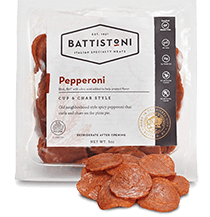
Yes, and the pizza will still be delicious, but it becomes an Americanized version rather than a true diavola. If you only have pepperoni, add a pinch of red pepper flakes or a drizzle of chili oil to recover the missing heat, and look for cup-and-char style pepperoni so it still crisps into cups.
What cheese goes on diavola pizza?
Fior di latte (fresh cow’s milk mozzarella) is the classic, torn and patted dry so it melts without watering the center. Low-moisture mozzarella works in a home oven and browns more reliably, and a small handful of grated pecorino or Parmesan adds a salty, savory edge.
Do you put chili honey on diavola pizza?
Traditional diavola gets a drizzle of chili oil after the bake, but hot honey is a popular modern finish, especially in American pizzerias. The sweet-heat combination flatters the salty salami. Either way, drizzle after baking, never before, so the topping stays bright instead of burning in the oven.