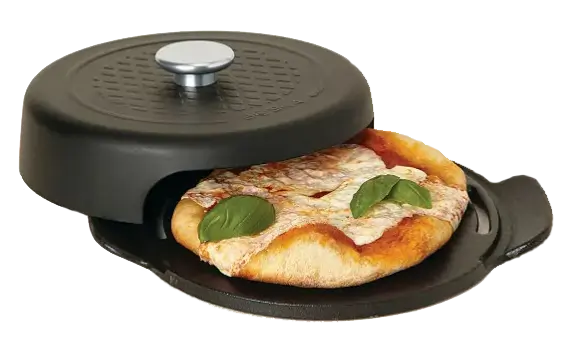
Fresh basil on pizza goes on after baking, not before, if you want that bright, aromatic, just-picked flavor. Heat destroys the delicate volatile oils that make basil taste like basil, so leaves baked into the oven emerge dark, shrunken, and muted. The exceptions: a few leaves tucked under the cheese add a mellow, cooked herbal note, and very short bakes in blazing ovens can soften basil without fully ruining it. Below you get the full before-or-after verdict, how to prep and cut basil so it stays green, how to store a bunch for up to a week and a half, and the pizzas that show fresh basil off best.
If you have ever scattered beautiful basil over a pizza before it went into the oven, only to pull out a pie flecked with black, crispy specks that taste like disappointment, you are in very good company. This is the single most common topping mistake we see in homemade pizza, and it is the easiest one to fix. The difference between sad, scorched basil and the vivid green leaves on a pizzeria margherita is nothing more than timing.
Here is exactly when to add fresh basil on pizza, how to wash, dry, and cut it without bruising, how to keep a store bunch alive for days, and which styles of pizza make the most of it.
Key Takeaways
- Add most fresh basil after the pizza comes out of the oven. Residual heat wilts it just enough and the flavor stays bright.
- If you bake basil in, tuck whole leaves under the cheese for a gentle, cooked herbal note. Loose leaves on top burn in any oven hotter than 450°F (230°C).
- Wash basil, then dry it thoroughly. Wet leaves steam instead of wilting, and a salad spinner does the job in seconds.
- Never refrigerate fresh basil uncovered. Treat it like cut flowers: stems in a jar of water on the counter, loosely covered.
- Genovese or sweet basil is the classic pizza basil. Tear large leaves or slice them into ribbons right before topping.
Table of Contents

When to Add Fresh Basil on Pizza (Before or After Baking?)
The short answer: add the bulk of your fresh basil in the sixty seconds after the pizza leaves the oven. The crust is still crackling, the cheese is still loose, and the residual heat wilts the leaves to silky tenderness while leaving their aromatic oils intact. Tear large leaves straight over the pie, give them one light pass of olive oil if you like, and serve. This is how pizzerias do it, and it is why their basil tastes alive while yours tasted like tea leaves.
The longer answer has three parts, because basil behaves differently depending on where it sits:
On top, after baking: this is the flavor move. Whole or torn leaves go on at the end for aroma, freshness, and that green-against-red visual pop. Do this with at least half your basil every time.
Under the cheese, before baking: whole leaves pressed into the sauce and buried under mozzarella infuse the pizza with a sweet, cooked herbal note as they steam in the oven. You lose the bright flavor and the color, but you gain depth. One or two leaves per slice is plenty.
Loose on top, before baking: avoid this in any oven hotter than 450°F (230°C). The leaves shrivel to dark crisps in minutes and turn bitter. If you must bake basil exposed on top, brush the leaves lightly with oil and accept that they will be a garnish of texture, not flavor.
One honest warning: the before and after of getting this right is hard to unsee. The same margherita that once came out speckled with black confetti starts coming out with soft green leaves that perfume the whole slice, and pizzas without basil will start tasting flat by comparison. If you are also deciding where the rest of your toppings go, our guide to pizza toppings above or below the cheese covers the same logic for everything else on the pie.
How to Prep Fresh Basil for Pizza
Basil bruises easily, and bruised basil blackens, so the goal of prep is gentle handling and real dryness. Start by washing the bunch in a bowl of cool water, swishing to loosen grit, then spinning it dry in a salad spinner. If you do not own one, pat the leaves dry very gently between clean towels. Water left on the leaves turns to steam on the hot pizza and dilutes the flavor you worked to protect.
For cutting, you have three good options. Tearing by hand is the classic move for whole-leaf topping: it follows the leaf’s natural veins and bruises less than a blade. For ribbons, stack six to eight large leaves, roll them into a loose cigar, and slice thinly with a sharp knife. For fast, even scatter over a big pie, snip the leaves directly over the pizza with a pair of kitchen shears, which is quicker than a knife and kinder to the leaves than a food processor. Whatever you use, cut basil at the last possible moment: the oils that carry the aroma start fading within minutes of slicing.
A quick note on stems: pull leaves from the stems rather than chopping stems in. Basil stems are woody and more bitter than the leaves, and a stem chunk on a finished slice is an unpleasant surprise.

How to Store Fresh Basil So It Lasts
Store-bought basil dies fast when treated like lettuce. Cold air blackens the tender leaves within a day, which is why a bunch rubber-banded in the fridge crisper turns slimy so quickly. The right method is the cut-flower method: trim the stem ends, stand the bunch in a glass or jar with an inch of water, and keep it on the counter away from direct sun, loosely covered with a plastic bag if your kitchen is drafty. Change the water every day or two. Purdue Extension’s basil guide recommends the same water-jar approach at cool room temperature, and it routinely keeps basil perky for five days to a week.
For longer storage, a dedicated herb keeper holds the stems in water inside the fridge while shielding the leaves from the coldest air, which buys you one to two weeks. If you grow your own or buy in bulk, Harvest to Table’s basil guide walks through freezing chopped basil in olive oil in ice cube trays, a genuinely good trick for winter sauces. And if you have ever thought about a pot on the windowsill, our post on how to grow basil for homemade pizza covers the whole setup.
Two storage mistakes kill more basil than anything else: refrigerating a dry, uncovered bunch (it blackens) and washing the whole bunch days before you need it (wet leaves rot). Wash what you will use, when you will use it.

Which Pizzas Love Fresh Basil Most
Basil is at home anywhere tomato and mozzarella are, which is why the margherita remains its finest showcase: tomato, fresh mozzarella, a scatter of basil, olive oil, nothing else. Keep the topping sparse. Three to five leaves on a 12-inch pie is the pizzeria ratio; more than that tips from aromatic to vegetal.
Beyond the margherita, basil earns its keep on white pizzas, where it cuts the richness of ricotta and mozzarella with fresh contrast (our white pizza recipe uses exactly that trick), on simple tomato-and-garlic pies, and on anything finished with a drizzle of good olive oil. It also plays well with cured meats: a few ribbons over a pepperoni or soppressata pizza right out of the oven balance the fat beautifully. For a full blueprint of the classic, Oh Sweet Basil’s margherita pizza is a reliable home-kitchen version with a properly hot bake.
The common thread is restraint. Basil is a finishing herb, not a bulk topping. Use it the way you would use a squeeze of lemon: a small amount, at the end, to make everything else taste more like itself.

Frequently Asked Questions
Can you put fresh basil on pizza before baking?
You can, but only in the right position. Tuck whole leaves under the cheese and they will steam into a sweet, cooked herbal layer. Leave them exposed on top and a hot oven will shrivel them to dark, bitter crisps within minutes. If you want the bright fresh flavor, the basil goes on after the bake.
Does fresh basil burn in the oven?
Yes, quickly. Basil leaves are thin and delicate, and ovens above 450°F (230°C) char their edges in two to three minutes. Exposed leaves turn black and lose nearly all their aroma. This is why basil added before baking is always tucked under cheese or sauce, and why most basil is added after the oven.
Should basil go under or on top of the cheese?
Under the cheese for a mellow, cooked flavor; on top after baking for bright, fresh flavor. They are two different ingredients in effect, and most great homemade pizzas use a little of both. A leaf or two under the mozzarella plus a torn handful over the finished pie gives you depth and brightness in the same bite.
Can you use dried basil instead of fresh on pizza?
Dried basil is a different seasoning, not a substitute. The drying process strips out most of the volatile oils that give fresh basil its character, leaving a muted, hay-like flavor. If dried is all you have, stir a pinch into the sauce before baking rather than sprinkling it on top, and plan to pick up fresh basil next time for anything margherita-style.
How do you keep basil green on pizza?
Add it after baking and slice it just before serving. Heat, prolonged air exposure, and bruising are the three things that blacken basil. Tearing instead of crushing, cutting at the last moment, and letting the pizza’s residual heat rather than the oven do the wilting keeps the leaves vivid green and aromatic.
What kind of basil is best for pizza?
Sweet basil, especially the Genovese variety, is the classic pizza basil: large, tender, aromatic leaves with the sweet anise-clove balance that defines a margherita. Regular sweet basil from any grocery store works perfectly. Thai basil, lemon basil, and holy basil each bring distinct flavors that suit adventurous pies but are not traditional. The basil entry on Wikipedia is a useful map of the varieties and where they come from.
Is it better to tear or cut basil for pizza?
For whole leaves on a finished pie, tear by hand; it bruises less and looks natural. For even coverage on larger pizzas, a chiffonade of thin ribbons or a quick snip with kitchen shears distributes the flavor better. Avoid the food processor, which pulverizes basil into a dark paste within seconds.