The best homemade pizza sauce comes down to one decision: crush a can of good whole peeled tomatoes by hand, season them simply, and either use them raw for a bright no-cook sauce or simmer them thirty minutes for a deeper, richer one. That is the whole secret. Three ingredients do the heavy lifting (tomatoes, garlic, olive oil), two more round it out (salt, oregano), and the method below shows both versions step by step, plus the storage rules that keep a batch ready for pizza night all week.
If you have ever opened a jar of store-bought pizza sauce, tasted that flat, overly sweet middle, and wondered why homemade pizza never quite tastes like the pizzeria, the sauce is usually the missing piece. The good news: real pizza sauce is one of the easiest things you can make in a home kitchen, it costs a fraction of the jarred stuff, and it keeps beautifully. You are about twenty minutes of hands-on work away from never buying the jar again.
Here is exactly how to make pizza sauce at home, from choosing the right can of tomatoes to the no-cook versus simmered decision, plus the seven questions everyone asks when they switch from jarred to homemade.
Key Takeaways
- Start with canned whole peeled tomatoes, and crush them by hand. San Marzano tomatoes are the traditional choice for their sweet, low-acid flavor, and hand-crushing gives you the rustic texture jarred sauce never has.
- The core recipe is five ingredients: tomatoes, garlic, olive oil, salt, and dried oregano. Everything else is optional, and restraint is what makes it taste like a pizzeria.
- No-cook sauce is brighter and tastes fresher; simmered sauce is deeper and thicker. Make no-cook for thin, hot-and-fast pizzas and simmered for heavier topped pizzas.
- Salt the sauce lightly and taste after resting. Cheese and toppings add salt too, and an over-salted sauce cannot be fixed.
- A batch keeps five days in the fridge and six months in the freezer, so make a double batch once and sauce pizzas for weeks.
Table of Contents

Ingredients and Equipment for Pizza Sauce
Great pizza sauce starts at the shelf, not the stove. One 28-ounce can of whole peeled tomatoes makes about three cups of sauce, enough for six to eight large pizzas. Look for cans labeled San Marzano, the plum tomato grown in the volcanic soil near Mount Vesuvius; the San Marzano DOP consortium explains what the protected designation actually guarantees, and why the real thing is worth the extra dollar over generic peeled tomatoes. A six-pack of certified San Marzano tomatoes keeps the per-pizza cost low and means you are never more than a can away from sauce.
Beyond the can, you need two garlic cloves, two tablespoons of good olive oil, a teaspoon of fine sea salt, and a teaspoon of dried oregano. Fresh basil goes in at the end if you have it. The equipment list is short: a large bowl for crushing, a saucepan if you are simmering, and a garlic press for mincing garlic in seconds without a cutting board to wash. Our guide to why pizzaiolos insist on San Marzano tomatoes goes deeper on the tomato question if you want the full case.
How to Make Pizza Sauce Step by Step
This is the simmered version, the one that tastes like a New York slice shop. The no-cook shortcut comes in the next section.
Step 1, crush the tomatoes by hand: pour the can into a large bowl and squeeze each tomato until it bursts. Hand-crushing leaves pleasant texture and avoids the aerated, orange foam a food processor creates. This two-minute step is the difference between homemade texture and jarred uniformity.

Step 2, bloom the garlic: warm the olive oil in a saucepan over medium heat and add the pressed garlic for about thirty seconds, just until fragrant. Burnt garlic turns bitter and there is no recovering a bitter batch, so keep it moving and pull the pan off the heat the moment it smells like garlic bread.
Step 3, simmer low and uncovered: add the crushed tomatoes, salt, and oregano, bring to a gentle bubble, then drop to medium-low. Simmer twenty to thirty minutes, stirring occasionally, until the sauce thickens enough to leave a brief trail when you drag a spoon through it. An uncovered pan lets water escape and concentrates flavor; a lid traps steam and leaves the sauce thin.

Step 4, blend if you want it smooth: for a pizzeria-smooth sauce, blend the pot with an immersion blender right in the saucepan, tilting the pot so the head stays submerged. Thirty seconds of pulsing takes the sauce from rustic to silky. Prefer texture? Skip this step entirely; both are correct.

Step 5, rest before you judge: let the sauce cool, then taste and adjust the salt. Flavors meld as it rests, and a sauce that tastes slightly flat when hot often tastes perfect at room temperature. Rest it at least twenty minutes, or overnight in the fridge for the best flavor of all.
The payoff lands at first bite: a crust that stays crisp under a layer of real tomato flavor, the kind of slice that makes the store-bought jar taste like a different food entirely. Keep relying on the jar and every homemade pizza quietly inherits its flat, one-note sweetness, no matter how good your dough and cheese are.
No-Cook vs Simmered Pizza Sauce: Which to Make
The no-cook method skips the stove entirely: crush the tomatoes, stir in the garlic, oil, salt, and oregano, and rest the sauce at least three hours so the flavors meld. A Beautiful Plate’s five-ingredient no-cook sauce shows how little it takes; the result is bright, fresh, and closest to what a Neapolitan pizzeria spoons onto dough before a ninety-second bake. Make no-cook when your oven runs hot and your bake is fast.
The simmered method trades brightness for depth. Thursday Night Pizza’s slow-simmered New York style sauce cooks down for one to two hours into something denser and richer that stands up to heavy toppings like sausage and peppers. Ooni’s classic pizza sauce recipe lands in the middle with a forty-five minute simmer and a small amount of sugar to balance tomato acidity. The rule of thumb: thin crust and high heat mean no-cook, thick crust and loaded toppings mean simmered, and when in doubt, simmer for twenty minutes and taste. If your sauce ever turns out watery or bland, our guide to the six marinara mistakes and how to fix them covers the usual suspects.
How to Store Pizza Sauce (Fridge and Freezer)
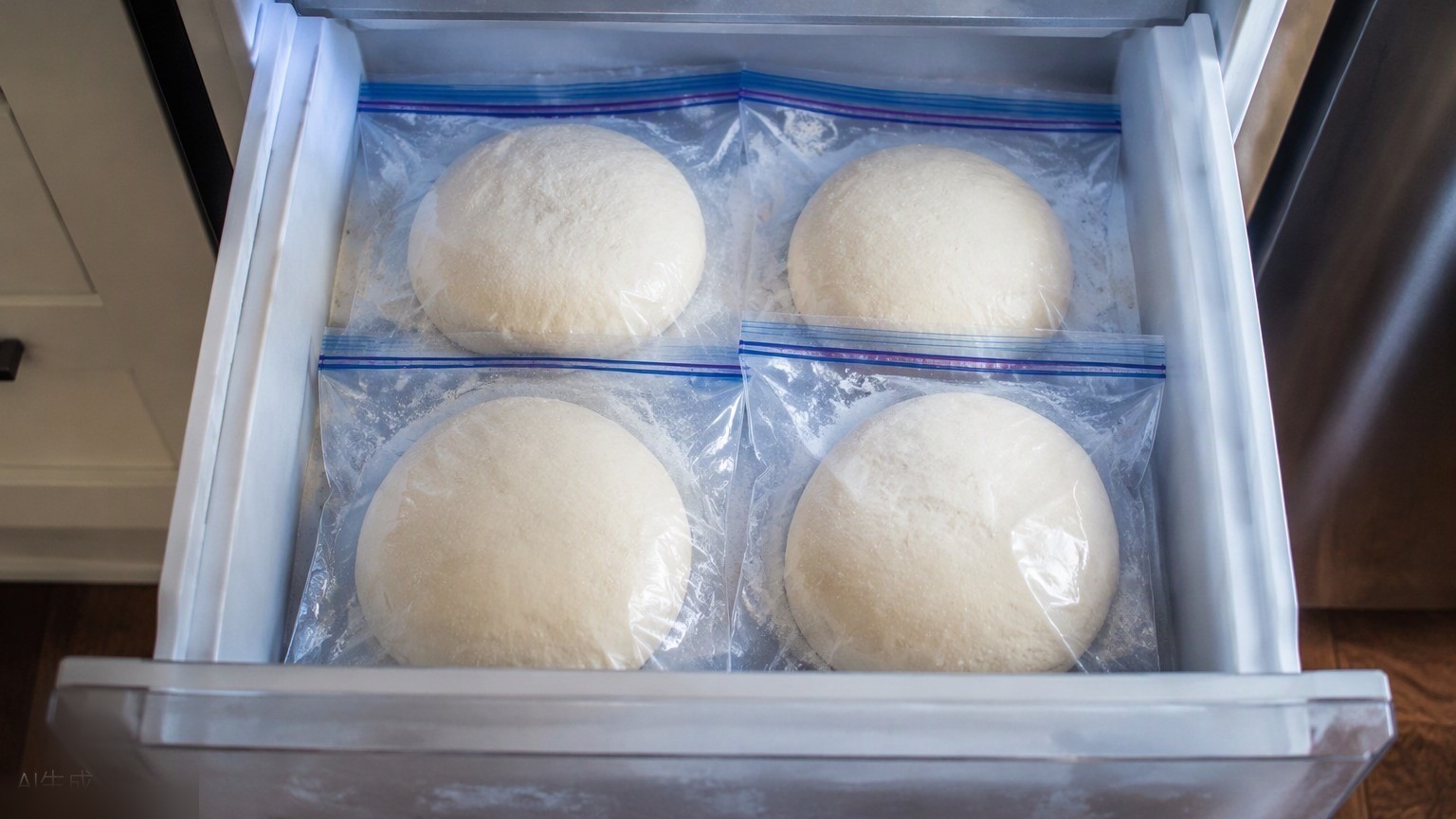
Cool the sauce completely before storing it; a sealed container of warm sauce sweats condensation and thins the batch. In the fridge, an airtight jar keeps pizza sauce at its best for about five days, and the flavor actually improves over the first two as the garlic and oregano meld. For longer storage, freeze it in one-cup portions (one large pizza’s worth) in freezer bags laid flat, where it keeps up to six months and thaws in minutes under warm water. Our full guide to how long pizza sauce keeps in the fridge covers the safety details in depth.
Frozen flat, the bags stack like books, and a single batch made on Sunday covers a month of pizza nights. That is the real upgrade: sauce stops being a shopping errand and becomes a fifteen-minute Sunday task, and every future pizza tastes like you planned it, because you did. For another make-ahead angle, our homemade tomato paste guide shows how to concentrate tomatoes into a flavor booster that deepens any sauce, and if you are weighing convenience against effort, the store-bought versus homemade breakdown makes the cost case in numbers.
Frequently Asked Questions
Can I use fresh tomatoes instead of canned?
Yes, but canned usually wins. Fresh tomatoes need blanching, peeling, and seeding, and unless they are peak-season ripe they taste watery compared to a good can of San Marzanos, which are packed at peak ripeness year round. If your garden is overflowing, roast the fresh tomatoes first to concentrate their flavor, then proceed with the recipe.
Do you cook pizza sauce before putting it on pizza?
Not always, and that surprises people. Traditional Neapolitan pizza uses raw, hand-crushed tomato sauce because a 900-degree oven cooks the sauce in ninety seconds. For home ovens that bake at 450 to 550 degrees, a sauce that has been simmered twenty to thirty minutes tastes better because the tomatoes arrive pre-concentrated instead of releasing water into your crust.
Why does my homemade pizza sauce taste watery?
Watery sauce comes from excess tomato liquid or a covered simmer. Drain off some of the can juice before crushing, simmer uncovered so water escapes, and stop when a spoon dragged through the pot leaves a visible trail. If it is still thin, stir in a spoonful of tomato paste, which thickens and deepens the flavor at once.
How much sauce goes on one pizza?
About a quarter cup for a 12 to 14 inch pizza, spread thin and leaving a border for the crust. More sauce does not mean better pizza; a thin, even layer lets the crust crisp and keeps the flavors balanced. The most common homemade pizza mistake is saucing generously like pasta, which gives you a soggy middle.
Can I make pizza sauce without garlic?
You can, and a plain tomato-and-salt sauce (pomodoro style) is a legitimate classic, but garlic is where most of the flavor depth comes from. If raw garlic tastes harsh to you, use one clove instead of two, or roast a whole head and stir in the sweet, mellow cloves. Never substitute garlic powder at the same volume; it tastes flat and can dominate.
Is pizza sauce the same as marinara?
They are close cousins, not twins. Marinara is a seasoned tomato sauce cooked for pasta, usually looser and ready to eat by the spoonful. Pizza sauce is seasoned more simply and made thicker so it spreads in a thin layer without soaking the dough. You can use marinara on pizza in a pinch, but simmer it uncovered for ten minutes first to thicken.
How long does homemade pizza sauce last?
Five days in the fridge in an airtight container, and up to six months in the freezer in one-cup portions. Always cool it fully before sealing, and if it ever smells sharp or fermented instead of tomato-sweet, discard it. Freezing flat in bags takes almost no space and thaws fast, so there is little reason to gamble on week-old sauce.