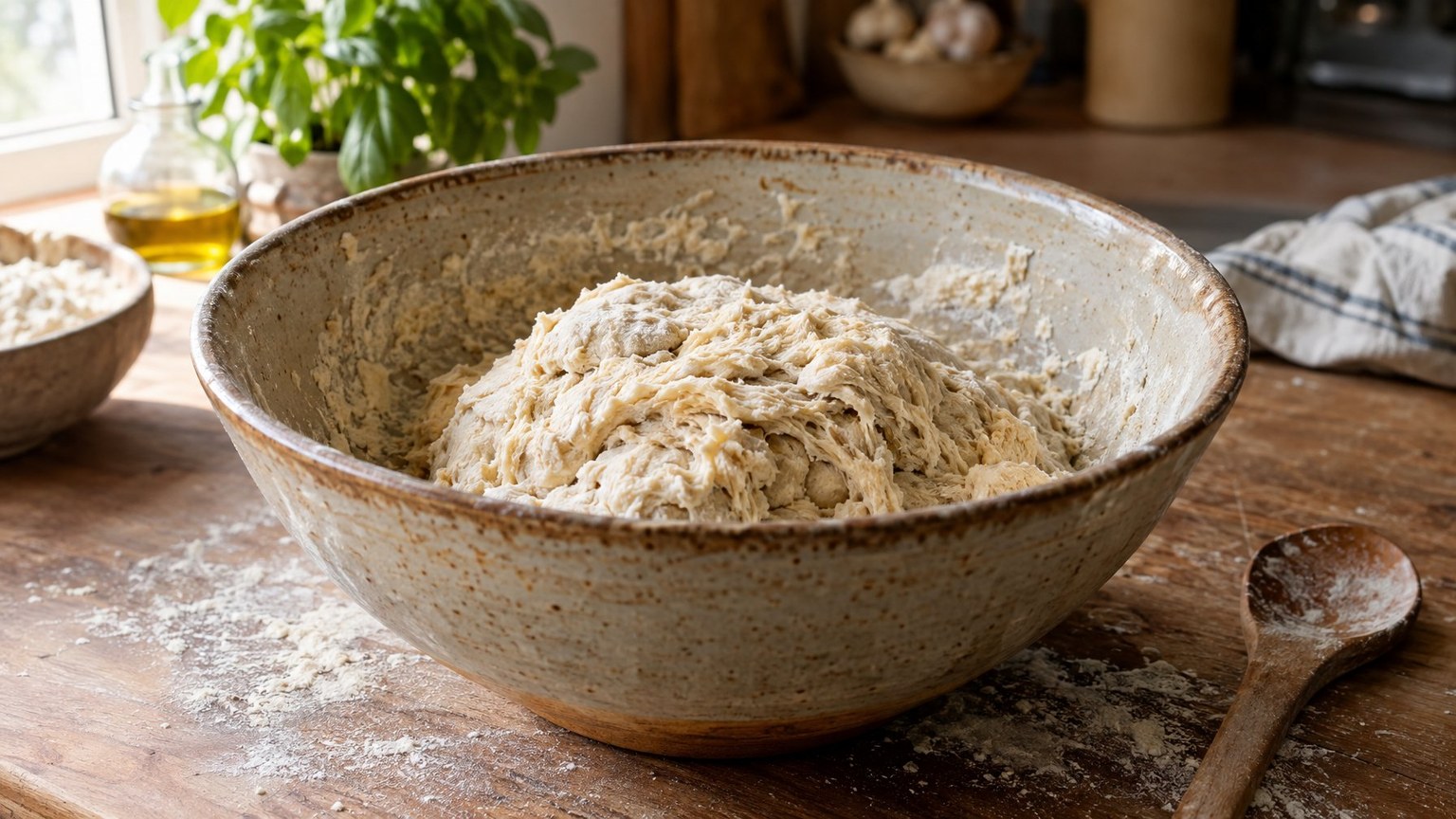
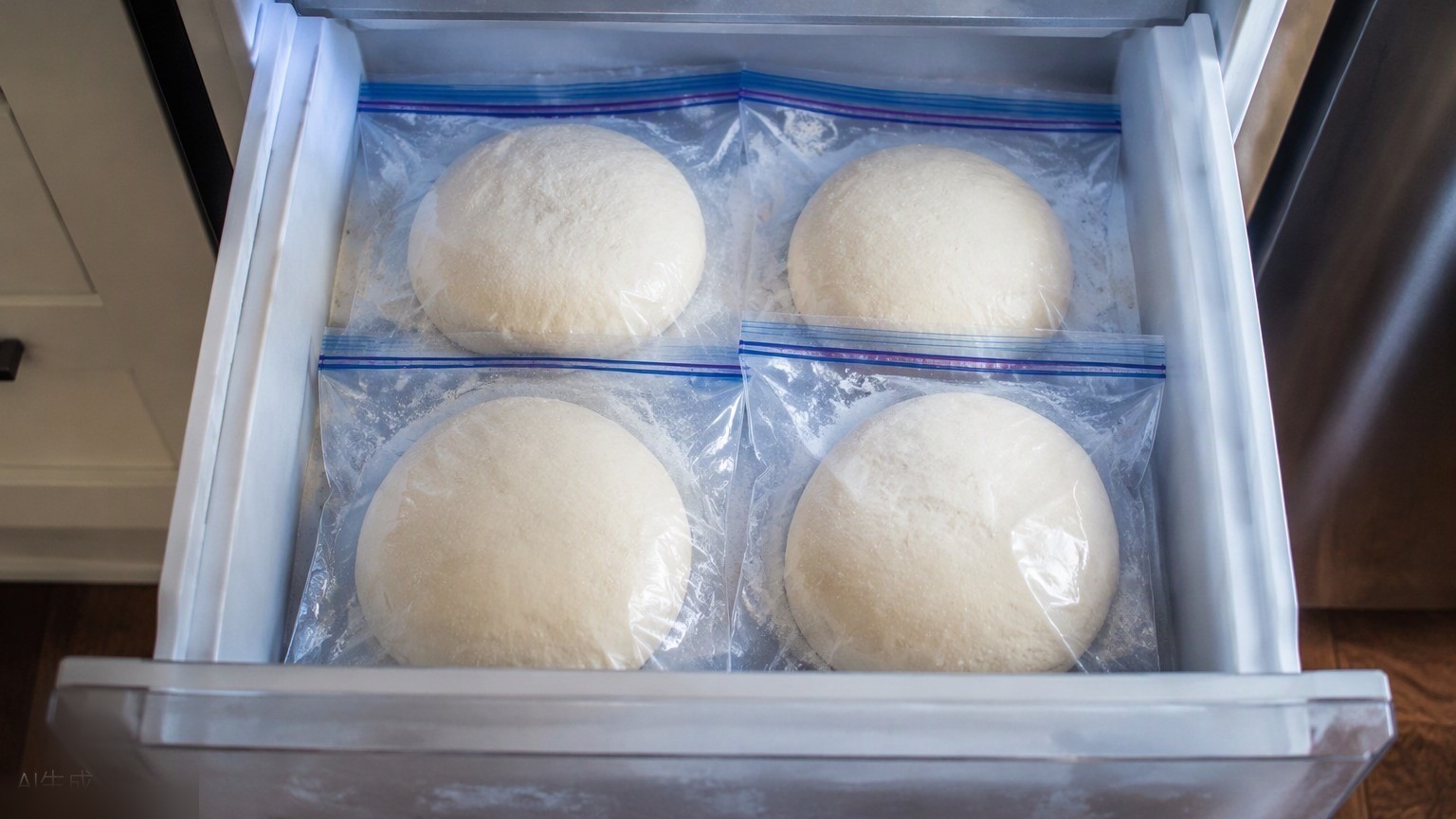
Pizza dough that will not rise is almost always one of four things: dead or expired yeast, water that was too hot or too cold, a kitchen that is too cold for the yeast to work, or simply not enough time. The good news is that in most cases the dough is not ruined. If the yeast is still alive, the fix is usually warmth and patience, and you can confirm whether your yeast is alive in five minutes with a glass of warm water. Below you get the seven causes in the order they most often occur, the five minute yeast test, a step by step rescue for a stubborn batch, and what to do with the dough if it truly will not budge.
If you have ever peeled back the plastic wrap after an hour of waiting to find the dough exactly the same size it started, you know the particular despair of pizza night falling apart in real time. Take a breath. We have diagnosed this problem across hundreds of doughs, and a full failure is rare. A stalled rise is a symptom with a short list of causes, and once you know which one you are dealing with, the fix is almost embarrassingly simple.
Here are the seven reasons pizza dough stops rising, in rough order of how often they are to blame, how to test your yeast before you blame anything else, how to rescue a slow batch tonight, and how to bake the dough anyway if the rescue fails.
Key Takeaways
- Run the yeast test first: stir a teaspoon of yeast with warm water and a pinch of sugar. Foam within 10 minutes means the yeast is alive and the problem is temperature or time.
- Yeast dies at about 130°F (54°C) and sleeps below roughly 40°F (4°C). Aim for 100 to 110°F (38 to 43°C) water and a 70 to 80°F (21 to 27°C) spot for the dough.
- Dough in a cold kitchen can take two to three times longer than the recipe says. Watch the dough, not the clock: you want it roughly doubled and jiggly.
- A dry, stiff dough resists rising. Weigh your flour and hold back some of the water to add as needed; our pizza dough hydration guide explains the feel you are after.
- If the dough never rises, do not toss it. Press it thin, bake it as flatbread or crackers, and make fresh dough with tested yeast next time.
Table of Contents

7 Reasons Your Pizza Dough Is Not Rising
Work through this list in order. The first three causes account for the vast majority of stalled doughs, and the yeast test in the next section will clear most of them in five minutes.
- 1. The yeast is dead or expired. Yeast is a living organism with a shelf life. An expired jar, or one that sat open in a warm pantry for months, may have almost no live cells left. This is the single most common cause, and Fabioulous Pizza’s breakdown of dough failures puts expired yeast at the top of the list for exactly that reason.
- 2. The water was too hot. Water above about 130°F (54°C) kills yeast outright. The dough looks normal, feels normal, and then simply never grows because there is nothing alive left to grow it.
- 3. Everything is too cold. Yeast works on a temperature curve. Water below about 70°F (21°C) and a kitchen below about 65°F (18°C) slow it to a crawl, and a dough left near a drafty window can stall completely. Cold does not kill yeast; it just puts it to sleep, which is why the rescue usually works.
- 4. Not enough yeast went in. Measuring spoons are unreliable for yeast because granule size varies. A recipe calling for 2 teaspoons can silently become one if the spoon was heaped wrong. Our post on how much yeast is in a packet helps you convert recipes accurately.
- 5. Too much salt, or salt touching the yeast directly. Salt is essential, but in direct contact it dehydrates and damages yeast cells. Stir salt into the flour first so it disperses before the water hits it.
- 6. The dough is too dry or too stiff. Yeast gas inflates tiny bubbles inside the dough. If the dough is a dense, flour heavy brick, the gas cannot push it apart. A properly hydrated dough feels slightly tacky. If yours feels like modeling clay, work in water a spoonful at a time.
- 7. The dough was never kneaded enough to trap gas. Gluten is the balloon that holds the gas. Underkneaded dough leaks. Knead until the dough is smooth and elastic, and it passes a quick windowpane stretch without tearing.
One more possibility is worth naming: nothing is wrong at all. Recipes written for warm summer kitchens can take twice as long in a cool one, and the long running discussion among home pizzaiolos on Reddit is full of beginners who panicked an hour too early and had beautiful dough by dinner.

How to Test Your Yeast in 5 Minutes
Before you change anything else, prove the yeast is alive with fresh instant yeast. Stir one teaspoon of yeast and a pinch of sugar into a quarter cup (60 ml) of warm water, around 100 to 110°F (38 to 43°C). Within 5 to 10 minutes the surface should turn foamy and smell bready. Foam means the yeast is fine and your problem is temperature or time. No foam means the yeast is dead, and no amount of waiting will save that batch, but every future batch improves the moment you replace the jar.
If you bake with yeast regularly, Red Star Yeast’s troubleshooting guide is worth bookmarking: it walks through the same diagnosis from the producer’s side, including the exact temperature windows where yeast thrives, slows, and dies. Check water temperature with a simple infrared thermometer aimed at the bowl, or a cheap probe; guessing with your finger routinely costs people whole batches.
How to Rescue Pizza Dough That Won’t Rise
If the yeast test showed foam, or you are confident the yeast is fresh, work the problem in this order. Most stalled doughs come back.
1. Warm the environment, not the dough. Move the bowl to the warmest draft free spot in the house. A turned off oven with only the light on sits around 75 to 80°F (24 to 27°C), which is close to ideal. A bowl of warm water on the rack below adds humidity so the surface does not dry out.
2. Give it real time. Check after 60 to 90 minutes, not 20. Cold dough can need three hours or more to double. Press a fingertip a half inch into the dough: if the indentation springs back slowly and partially, it is alive and working; if it springs back instantly, it needs more time; if it stays sunk, it may be overproofed rather than underproofed.
3. Fix a dry dough. If the dough feels stiff, knead in warm water one spoonful at a time until it turns soft and slightly tacky, then return it to the warm spot.
4. Fold, do not punch. Once the dough has roughly doubled, give it one gentle set of stretch and folds to redistribute the yeast and even out the temperature, then shape and bake.
Mary’s Test Kitchen’s yeast troubleshooting guide covers the same rescue steps in more depth, including exactly how to revive dough that went into the bowl too cold. Note that if the yeast test produced no foam, skip the rescue: no living yeast means no rise, whatever you do.

Can You Bake Dough That Didn’t Rise?
Yes, and you should, because flat pizza dough still makes good food. Press it as thin as you can on an oiled sheet pan, brush with olive oil, and bake at 450°F (230°C) until crisp: you get a cracker style flatbread with real flavor. Cut the same dough into strips for breadsticks, or dock it all over and bake thin crackers. What you will not get is a puffy, airy rim, because the oven spring that creates it depends on live, active yeast. Dough that failed from dead yeast still tastes fine once baked; it just eats dense. Treat the bake as a salvage dinner, not a verdict on your skills, and start tomorrow’s batch with fresh instant yeast and a clean jar.
How to Keep Dough Rising Every Time
Prevention is a short checklist. Proof your yeast once when you open a new jar so you know the jar is good, then store it airtight in the fridge or freezer. Weigh flour and water with a digital kitchen scale instead of measuring cups, because an accidentally dry dough is a dough that cannot rise. Mix salt into the flour before any liquid touches it. Check water temperature until your hands learn what 105°F feels like. And plan around your kitchen, not the recipe clock: in a cool house, cold ferment the dough overnight in the fridge, which is also where flavor comes from, as our cold fermentation pizza dough guide explains in detail.
Do these five things and the failure mode mostly disappears. The before and after is dramatic: the same recipe that once produced pale, dense slabs starts turning out pizzas with a rim that puffs and blisters in the oven, slices that hold themselves up, and a crumb with actual air in it. And the only cost of skipping the checklist is another flat pizza night, which by now you know how to rescue anyway.

Frequently Asked Questions
Why is my pizza dough not rising in the fridge?
Because that is what the fridge is designed to do. Cold temperatures of about 38°F (3°C) slow yeast dramatically without killing it, which is the entire point of a cold ferment. Dough straight from the fridge should look almost flat; it finishes its rise during the one to two hours it rests at room temperature before shaping. If it is still flat after two warm hours, the yeast was weak or dead before it went in.
Why didn’t my pizza dough rise in the oven?
Oven spring is the final burst of rise in the first minutes of baking, and it needs two things: live yeast at the moment of baking and real heat. If the dough was underproofed, the yeast runs out of steam before the crust sets. If the oven was not fully preheated, the heat arrives too slowly and the oven spring is small. Fix the first by letting dough double before launching, and the second by preheating your stone or steel for at least 45 minutes.
Can you add more yeast to dough that didn’t rise?
Yes, as a genuine rescue. Dissolve a teaspoon of fresh yeast with a pinch of sugar in two tablespoons of warm water, wait 10 minutes for foam, then knead that slurry into the dough. Add a spoonful of flour if the dough turns sticky, then proof in a warm spot. It will not taste identical to a normal batch, but it rises and bakes into perfectly good pizza.
Why is my store bought pizza dough not rising?
Store bought dough is usually cold from the fridge and extremely relaxed, so it needs two to three hours at room temperature in an oiled, covered bowl before it does anything. Most “dead” store dough is simply dough that was never given warm time. If it still does not puff after three warm hours, the yeast expired in the package.
How long should pizza dough take to rise?
At room temperature of 70 to 75°F (21 to 24°C), one to two hours for a standard yeast amount, until roughly doubled. In a cold kitchen, two to four hours is normal and nothing is wrong. In the fridge, 24 to 72 hours for a cold ferment, where the dough rises slowly the whole time and finishes on the counter before baking.
Will pizza dough rise if the yeast expired?
Almost never, and not enough to matter. Expired yeast has lost so many live cells that the dough rises weakly or not at all and bakes dense. Run the warm water and sugar test: if there is no foam in 10 minutes, replace the yeast before investing any more time in the batch.
Why did my dough rise and then collapse?
That is overproofing, the opposite failure. The dough sat so long that the gluten network overstretched and tore, so the gas escaped. The dough smells yeasty or boozy and feels slack. You can often save it by gently degassing, reshaping into balls, and letting it proof again for a shorter time under close watch.