Yes, semolina flour works in pizza dough, and it fixes the two complaints home bakers have most: crusts that turn out pale, and bottoms that turn out soft. Semolina is a coarse, golden flour milled from durum wheat, and swapping 10 to 25 percent of your regular pizza flour for it gives the crust a deeper golden color, a crackling crisp bottom, and a distinctly pleasant chew. It also makes the dough easier to handle, because semolina’s gritty texture keeps stretched dough from gluing itself to your hands or the counter. Below you will learn what semolina actually is, exactly how much to use, a tested blend recipe, and the mistakes that turn semolina dough dense instead of crisp.
If your homemade pizzas look right but eat wrong, with bottoms that bend and toppings that slide, the problem is usually not your oven or your sauce. It is often the flour. We have baked side by side tests for years, identical recipes with and without semolina, and the semolina crust wins the crispness test every single time. It is also one of the cheapest upgrades in all of home pizza making, a bag costs very little and lasts for months of pizza nights.
Here is what semolina flour is and why it behaves differently, the right percentage to blend into your dough, a complete semolina pizza dough recipe with gram weights, how to use semolina on your pizza peel, and the errors to avoid.
Key Takeaways
- Semolina flour is coarse durum wheat flour. Swap in 10 to 25 percent of your pizza flour for a crispier, more golden crust with extra chew.
- Semolina absorbs water slowly, so mix the dough, then let it rest 20 to 30 minutes before judging hydration. It often needs a splash more water than a 100 percent bread flour dough.
- Look for fine or re milled semolina (semola rimacinata) for the dough itself. Coarse semolina is better saved for dusting the peel.
- Dusting a pizza peel with semolina acts like ball bearings: the coarse grains let the pizza slide off cleanly instead of sticking.
- Too much semolina backfires. Above roughly 30 percent the crust turns dense and brittle instead of crisp and chewy.
Table of Contents
What Is Semolina Flour?
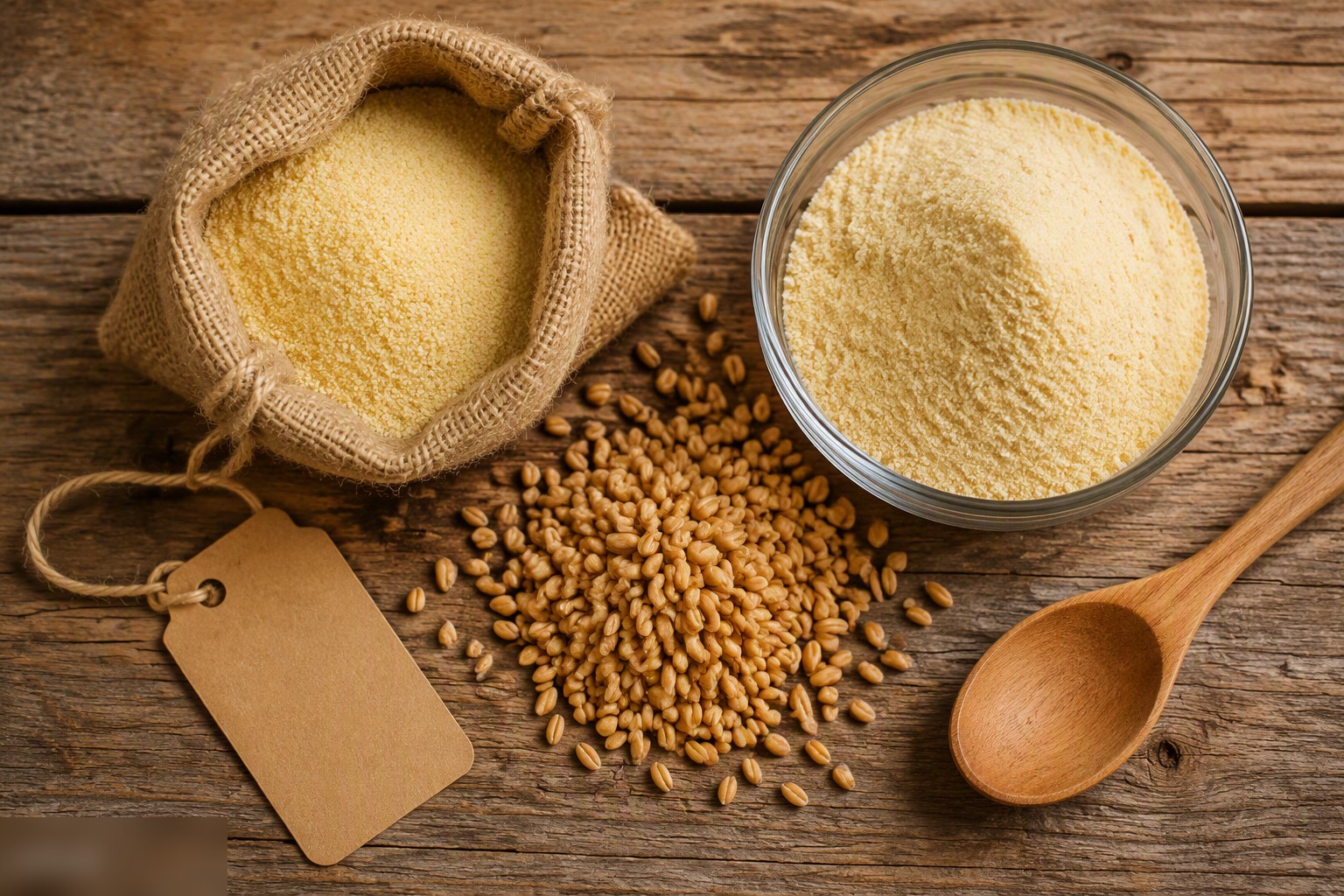
Semolina is the coarse, pale yellow flour produced when durum wheat, the hardest wheat grown, is milled. Durum wheat has an unusually high protein content, typically 13 to 14 percent, and a golden pigment that survives baking and gives pasta and pizza crust their signature color. The Wheat Foods Council’s semolina overview lays out the milling side clearly: semolina is the gritty middle grind of durum, coarser than the fine flour you would use for cakes, which is exactly why it behaves so differently in dough.
Two labels matter when you shop. Plain semolina is coarse, almost like fine sand. Semola rimacinata, labeled on Italian bags, is semolina that has been milled a second time into a finer flour, and that is the version Italian pizzerias typically mix into dough. You can use either, but rimacinata hydrates faster and kneads more smoothly, while coarse semolina stays gritty longer and shines brightest as a peel dusting.
What Semolina Does to Pizza Dough
Three things, all of them useful. First, semolina is thirsty and absorbs free water in the dough, which means the baked crust dries out on the surface faster and crisps instead of steaming. Second, durum’s hard protein structure does not form the stretchy gluten network that bread flour does; instead it adds what bakers call bite, a clean, slightly firm chew that keeps a slice standing straight when you hold it. Third, the carotenoid pigments in durum paint the crust a deep gold that looks like it came out of a hotter oven than the one you own.
The trade off is real but small: semolina dough feels a little stiffer and tears a bit sooner than pure bread flour dough. That is why almost everyone blends it rather than using it alone, which brings us to the recipe.
Semolina Pizza Dough Recipe
This formula makes two 12 inch pizzas and blends 20 percent semolina into bread flour. Weigh everything on a digital kitchen scale: baker’s percentages only work in grams.
| Ingredient | Grams | Baker’s % | Notes |
|---|---|---|---|
| Bread flour or 00 flour | 400 g | 80% | Our bread flour for pizza dough guide covers why bread flour is the default |
| Semolina flour | 100 g | 20% | King Arthur Premium Semolina is our test kitchen pick |
| Water | 325 g | 65% | Lukewarm; semolina drinks slowly, so expect to adjust after the rest |
| Instant yeast | 8 g | 1.6% | Instant yeast mixes straight into the flour |
| Fine sea salt | 10 g | 2% | Non negotiable for flavor |
| Olive oil | 15 g | 3% | Helps a semolina crust brown; see our olive oil for pizza picks |
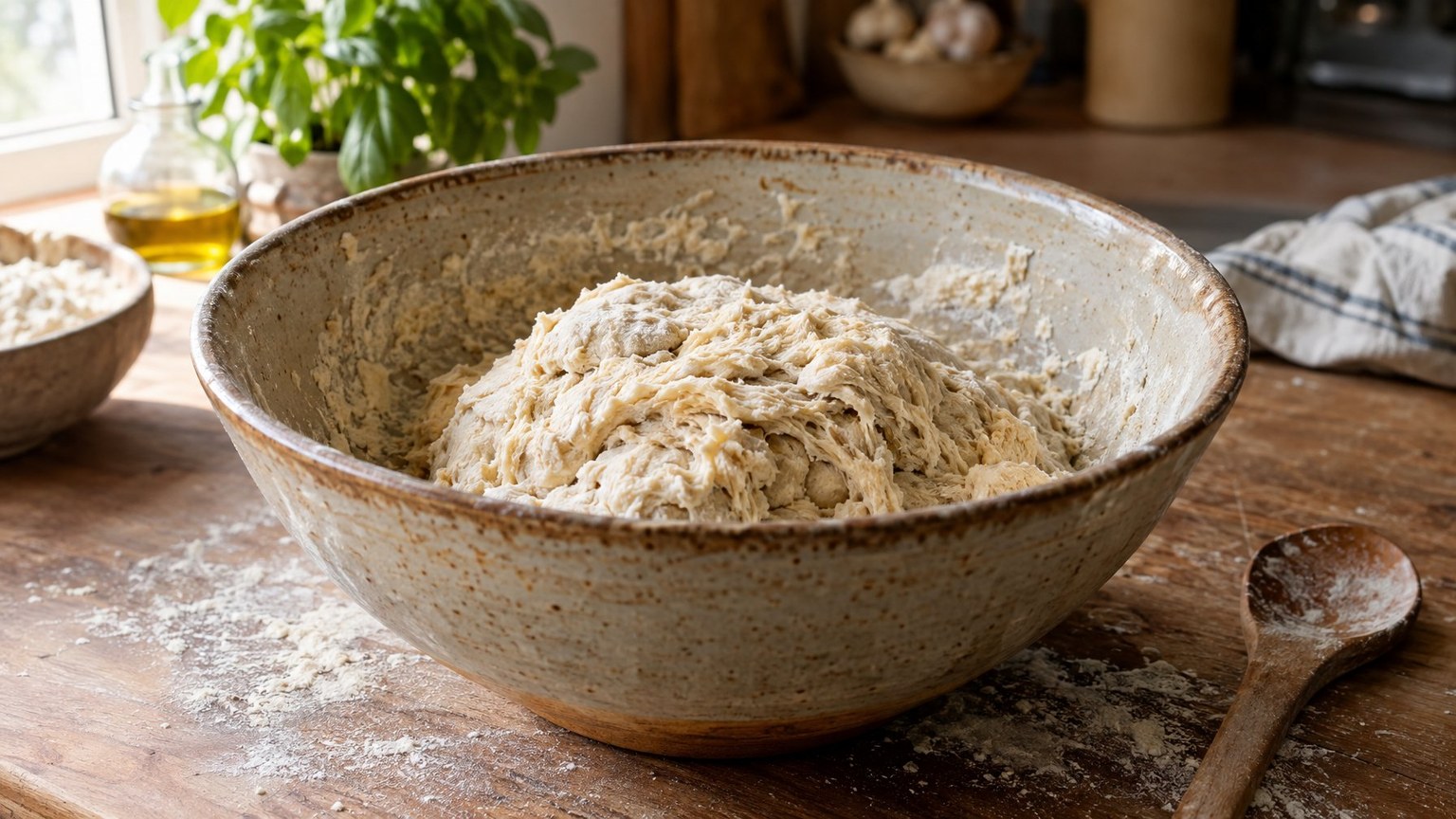
Whisk the flours, yeast, and salt together first so the semolina distributes evenly. Add the water and oil, then knead 8 to 10 minutes until the dough is smooth; it will feel slightly grainy and stiffer than an all bread flour dough, which is normal. Cover and rest it 20 to 30 minutes, then check the texture again before dividing. The recipe is a cousin of the 80:20 blends that appear across Italian and American pizzeria traditions; Colavita’s semolina pizza dough uses the same ratio with 500 grams total flour, and this long running community version on Food.com shows the blend has been a home kitchen staple for years.
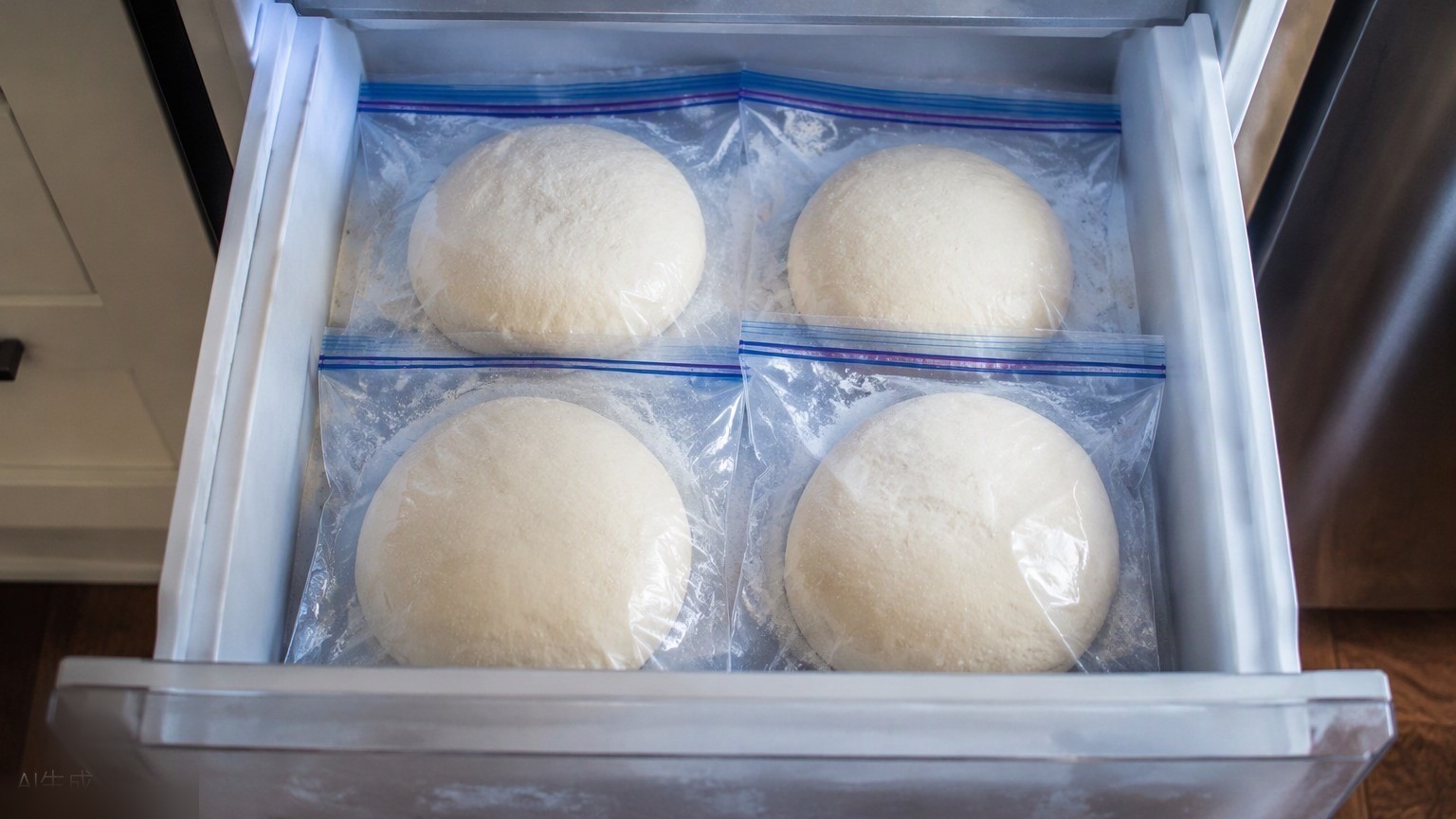
After the rest, divide into two balls, coat lightly with oil, and cold ferment 24 to 72 hours in the fridge for the best flavor, or proof 1 to 2 hours at room temperature if you are making pizza tonight. Stretch as usual on a semolina dusted counter, top lightly, and bake at your oven’s highest temperature, 500 to 550°F on a stone or steel. Our best temperature to cook a pizza guide has the full oven setup.

How Much Semolina Should You Use?
The sweet spot is 10 to 25 percent of the total flour weight. At 10 percent you get a subtle improvement in color and a slightly crisper bottom; at 20 percent the chew and gold color are unmistakable; past 25 to 30 percent the dough starts to tear during stretching and the crust turns dense and hard as it cools. If you are new to semolina, start at 10 percent on your usual recipe and creep up from there. If your favorite dough recipe already runs high hydration, give the semolina blend a slightly longer rest, because the coarse granules take their time absorbing water. Our pizza dough hydration guide explains how to read and adjust the feel of a dough.
For the semolina itself, buy the fine grind if it goes in the dough. Caputo’s Semola di Grano Duro Rimacinata is the Italian standard that pizzerias reach for, and any fine semolina labeled for pasta works well. Coarse semolina belongs in a shaker for your peel, not in the mixing bowl.
Semolina on the Pizza Peel
Even if you never put semolina in your dough, put it on your peel. A light dusting of coarse semolina under the stretched dough works like tiny ball bearings: each grain keeps the wet dough microscopically lifted off the wood, so the pizza slides into the oven in one confident motion instead of folding over on itself. The grains toast during the bake and add a faint nutty crunch to the bottom crust, a detail people notice without being able to name. Use a thin, even layer; a heavy hand leaves raw gritty patches on the finished bottom.

If you are weighing semolina against cornmeal for the peel job, our cornmeal or semolina comparison breaks down the flavor, texture, and burn point differences, and how all purpose flour compares as a dusting when that is all you have.
Mistakes to Avoid With Semolina Dough
Semolina is forgiving, but these four errors trip people up most.
- Using too much: above 30 percent semolina the gluten network thins out, the dough tears, and the crust bakes dense and brittle. Stay at 25 percent or under.
- Judging hydration too early: semolina absorbs water on a delay. Mix, rest 30 minutes, then decide if the dough needs more water. Adding flour before the rest guarantees a dry, stiff dough.
- Using coarse semolina in the dough: the gritty texture never fully hydrates and can leave the crumb sandy. Save coarse semolina for the peel and buy rimacinata or fine semolina for the bowl.
- Skipping the rest or cold ferment: semolina dough tastes noticeably better after a long, slow rest. Same day dough works, but a 24 hour fridge ferment turns the flavor from good to why-does-this-taste-like-a-pizzeria.

Get the blend right and the difference shows up on the very first bake: a bottom crust with actual crunch, a rim the color of toasted wheat, and slices that stand at attention on the board instead of slumping into a fold. Skip it, and you are leaving the cheapest crust upgrade in pizza making sitting on the grocery shelf, which is a shame, because a five dollar bag of flour fixes what a five hundred dollar oven cannot.
Frequently Asked Questions
Is semolina flour the same as 00 flour?
No. Both can come from durum or hard wheat, but they are different grinds for different jobs. 00 flour is an extremely fine powder, milled for tender, stretchy Neapolitan style dough. Semolina is a coarse, gritty grind prized for crispness and chew. Many pizzerias blend them, which is where the famous 00 plus semolina combination comes from.
Can you make pizza dough with 100 percent semolina?
You can, but the result is closer to a sturdy flatbread than to classic pizza. Without bread flour’s extensible gluten, 100 percent semolina dough tears easily, resists stretching thin, and bakes up dense. Traditional sfincione, the Sicilian style, comes closest to making it work. For round pizzas, blend 10 to 25 percent semolina into bread or 00 flour instead.
Is semolina better than cornmeal for pizza?
For most pizza jobs, yes. Semolina toasts rather than burns at pizza oven temperatures, tastes nutty rather than earthy, and gives a cleaner crunch under the crust. Cornmeal scorches faster and can taste bitter on the bottom of a well browned pizza. Cornmeal still wins for some deep dish styles, but for peel dusting and dough blends, semolina is the pizzeria standard.
Does semolina flour change the flavor of pizza crust?
It does, subtly and for the better. Expect a slightly sweet, nutty, wheat forward flavor and none of the raw flour taste that underbaked crusts can have. The bigger change is texture and color: the crust eats crisper and chews firmer, and it browns to a deeper gold than an all bread flour dough at the same bake.
Do you need to rest semolina pizza dough longer?
A longer rest helps, yes. Semolina granules hydrate slowly, so give the mixed dough at least 20 to 30 minutes before judging or adjusting hydration, and plan on a full cold ferment of 24 hours if you can. The rest lets the semolina fully soften, which improves both the dough’s stretchability and the crumb of the finished crust.
Can you use semolina in Neapolitan pizza dough?
Purists say no, since true Neapolitan dough is 100 percent 00 flour by the rules of the style. Home bakers say yes, and many pizzerias quietly blend a small percentage of semolina into their 00 dough for extra crispness and color. If authenticity matters, keep it pure; if your priority is a crust that crackles, 10 percent semolina in the blend is a trade worth making.
Where can you buy semolina flour for pizza?
Most supermarkets carry at least one semolina in the flour aisle or Italian foods section, often labeled durum semolina or pasta flour. Italian markets and online stores carry semola rimacinata, the fine re milled version preferred for dough. Any fine semolina labeled for pasta works in pizza dough, and a single bag lasts many pizza nights.